
How Long Should Concrete Cure Before Putting Weight On It?
Concrete may look like it has dried quickly, but the actual concrete curing time is a chemical process that continues for weeks. Early surface drying can be misleading because even though the top layer appears set and ready, its internal strength is still developing. So, how long should concrete cure before putting weight on it? Complete concrete curing typically takes around 28 days, although some strength is gained within the first week. Applying weight too soon can damage the surface, cause cracking, and reduce long-term durability.
Curing times vary depending on mix, thickness, temperature, humidity and any other additives. Light foot traffic is often acceptable after 24–48 hours, while heavier loads may require longer waiting periods.
Concrete Curing vs Setting
One deeply important aspect of many different processes is that curing and setting are actually two different things.
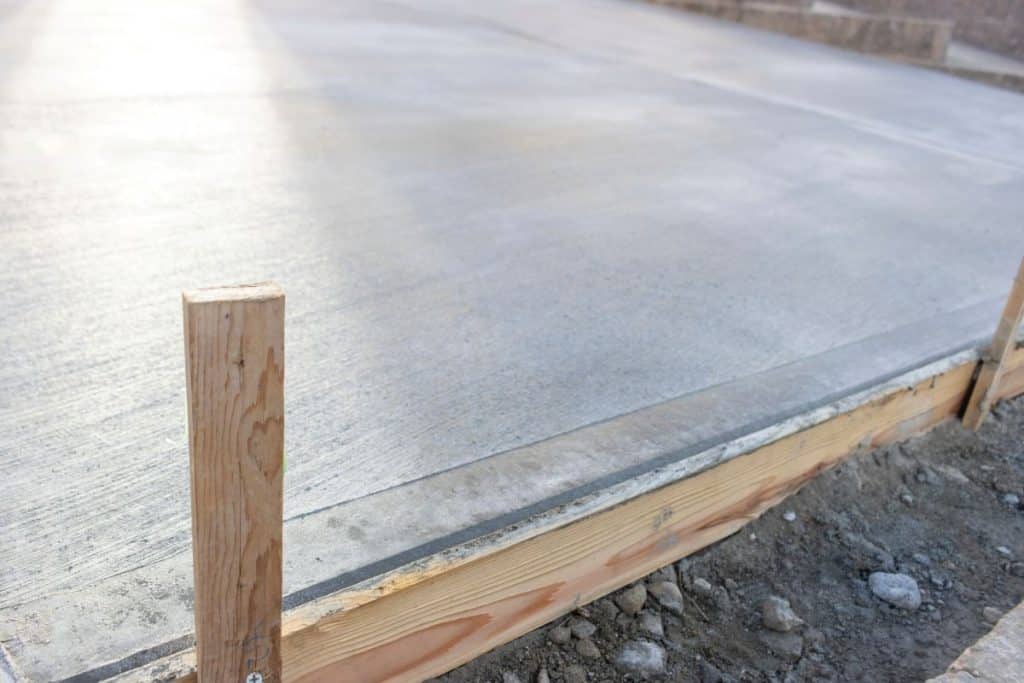
‘Setting’, refers to the initial hardening stage of the process. Typically, as far as concrete is concerned, this happens within the first few hours after pouring. It is during this timeframe that the concrete will start to lose its fluid state, stiffen up and begin to hold shape. When ‘set’, concrete can be more than ok to walk on and will feel like a sturdy platform, but at this point it is not at its full strength.
‘Curing’, on the other hand, refers to the much longer process of the concrete gaining further strength over days and weeks following the initial pour. This takes place due to the inherent chemical reactions that make it such an important material. Proper curing is essential for the newly concreted area achieving full durability.
What Can Affect The Concrete Curing Process?
Concrete doesn’t always cure perfectly, and there are multiple key factors that can have a serious impact on the curing process as a whole.
Concrete Mix
Depending on certain ingredients or the ratio of the concrete mixture, it can cure at vastly different rates. Water content, cement ratio and any extra chemicals can influence the curing time drastically. There are some mixes that include accelerators for faster curing.
Where the mix needs to be adjusted to suit the project, volumetric concrete can be mixed on site to the required specification.
Thickness of the Concrete
The thicker the slab of concrete and the wider the area of pouring will also increase curing times. This is largely down to heat and moisture fully dissipating slower because of the added moisture retention in thicker pours.
Weather Conditions
Another factor that can have a major role on the concrete curing process is the same that affects all avenues of construction, the weather. Colder temperatures slow down the internal chemical reaction leading to extending curing time. On the other hand, warmer temperatures can dry the mixture too quickly causing it to form cracks throughout.
Moisture Retention
Proper curing depends on keeping concrete moist during the early stages. If it dries out too soon, strength development is reduced and surface quality can be weakened. Maintaining moisture helps ensure even, durable curing.
Understanding Concrete Curing Times
Concrete curing follows a general timeline, but exact strength development can vary depending on conditions and mix design. This raises the question: how long should concrete take to cure before putting weight on it?
- In most cases, you can simply walk on concrete after 24–48 hours, once it has hardened enough to support light foot traffic.
- For driveways or heavy vehicles, it is best to wait at least 7 days, when concrete has typically reached around 70% of its final strength.
- Full curing takes about 28 days, at which point concrete is close to 100% strength and ready for full structural loads.
For more information on installation and application options, explore our Concrete Floors service page.
Common Concrete Curing Mistakes to Avoid
There are several common mistakes which can have a serious impact on the strength and durability of your newly poured concrete if it is not properly cured. Our experts have highlighted them here to help you avoid them.
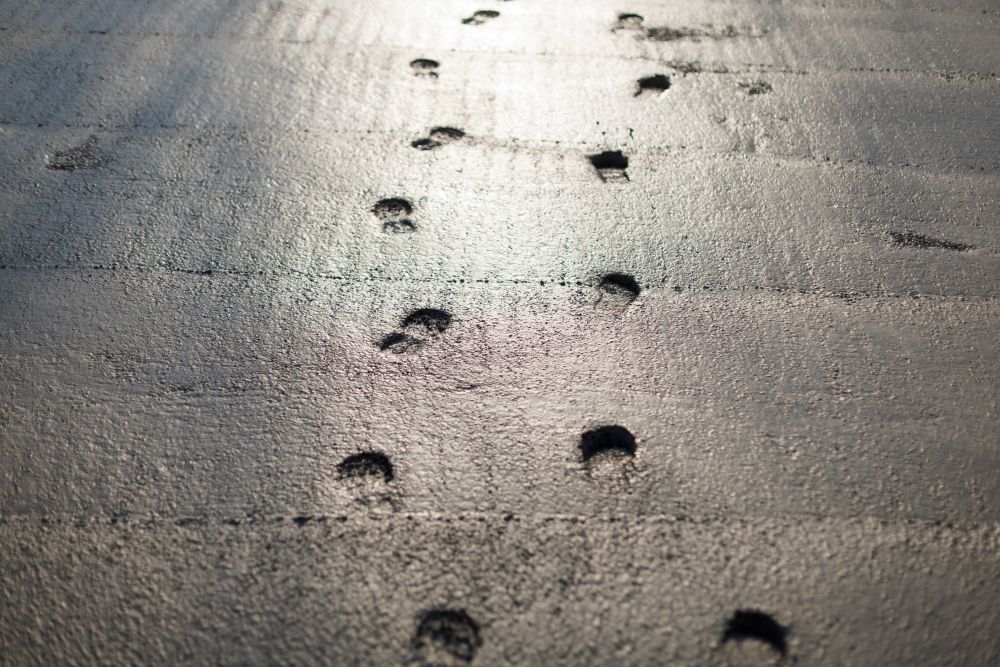
Walking on concrete too early is a frequent issue, as it can damage the surface before it has gained enough strength. Driving on concrete before it has cured sufficiently is even more damaging and may lead to cracks or permanent surface deformation.
Allowing concrete to dry out too quickly reduces its ability to cure properly, weakening the final structure. Ignoring weather conditions like excessive heat, cold or rain can also disrupt the curing process and lead to uneven results.
Skipping proper aftercare, including moisture retention and protection, often results in reduced durability and a shorter lifespan for the concrete.
Tips for Helping Concrete Cure Properly
Allowing for proper concrete curing time will help the newly poured mixture reach its full potential. This is crucial for ensuring strength, durability and longevity. Keeping it moist during the earlier stages of its curing process is essential for optimal chemical reaction that reduces surface weakness and ensures even curing.
Fresh concrete should also be protected from extreme temperatures, both hot and cold, which can lead to cracking, disrupt curing and other inconsistencies. Then it is imperative to avoid applying heavy loads too early, as this has a strong chance of damaging the surface before initial strengthening. Regardless of the size of the application, be sure to follow all professional guidance and aftercare recommendations.
Why Proper Concrete Curing Matters
Proper concrete curing is vital for long-term strength, durability and performance. When done correctly, it improves resistance to wear, pressure and weather conditions, ensuring greater reliability over time.
It also helps prevent cracking and surface damage that could weaken structural integrity. This is especially important for driveways, slabs and other load-bearing uses. Starting with a consistent, high-quality ready mix concrete also helps give your project the right foundation for long-term strength and durability
When looking for quality materials and professional services, contact GB Concrete & Pump. Head to our contact page or submit your concrete order today, for free quotes, fast delivery and satisfaction guaranteed.
FAQs
Does Concrete Heat Up When Curing?
Yes, concrete will naturally heat up during the chemical reaction of the curing process. Larger pours retain more heat, which can have a direct influence on moisture levels and curing speed and quality.
What Temperature Does Concrete Need to Cure?
Typically, concrete tends to cure best at 10°C to 25°C. Colder weather can have an adverse affect on the curing process causing it to take far longer. On the other hand, hotter temperature can cause rapid drying, which in turn, causes far lower strength integrity.
Popular Articles


