
Waterproofing Concrete: What To Do and How To Do It
Concrete is a strong, versatile material that is renowned for applications that are built to last, but it is not impervious to everything. Over time, moisture can penetrate the surface, leading to cracks, damage, deterioration and potentially costly repairs. Proper concrete waterproofing can bolster this weakness and can extend its lifespan.
Understanding how to make concrete waterproof, the advantages of this, the considerations to make and many more will all be explained by our experts in this blog post.
Is Concrete Waterproof?
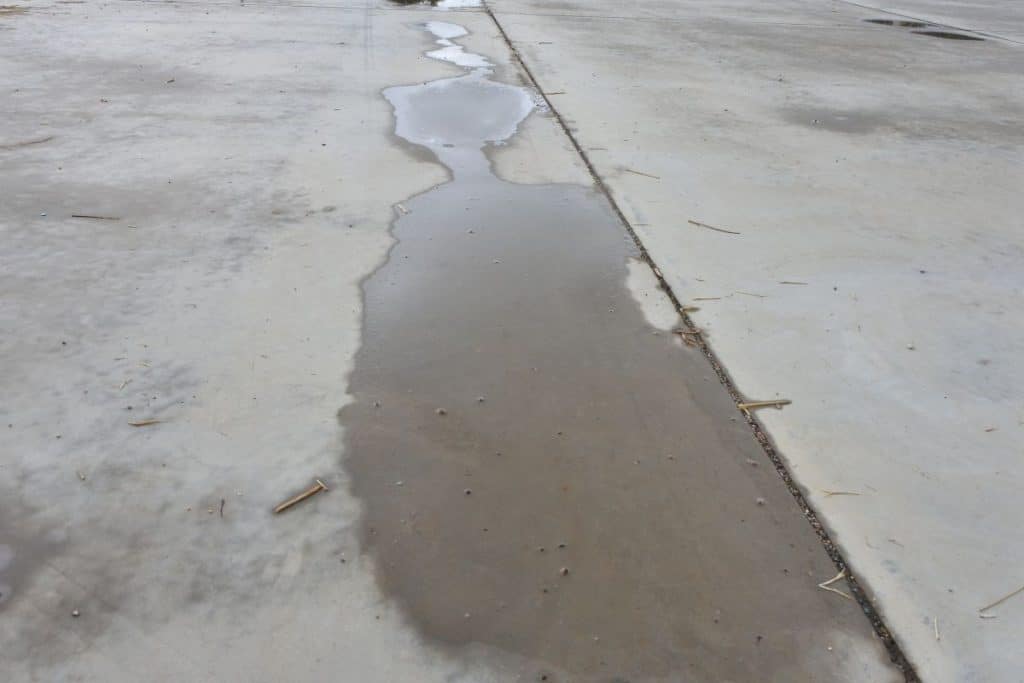
It may not be a question that arises in daily life too often, but is concrete waterproof? On its own as a standard mix, it is not waterproof but it is resistant to water, and still acts as a porous material. This means that water and moisture will eventually work its way through small pores, build up and cause issues like cracks in the concrete.
This doesn’t mean that you need to start swapping all of your concrete for a waterproofed version, many concrete structures don’t need full waterproofing at all. Areas that are exposed to moisture on a regular basis are the applications that will benefit from it the most. This includes building foundations, basements, retaining walls, external slabs, and any water-retaining structure.
How To Make Concrete Waterproof
As with many things, there is no one-size-fits-all approach to concrete waterproofing and there are multiple methods to achieve it.
Use Waterproof Concrete Admixtures
Waterproof concrete admixtures are introduced during the mixing process and are an ideal option for new construction projects. They help to reduce water absorption throughout the concrete and are commonly used for foundations, basements, tunnels and other structures below-ground that require moisture protection from the outset.
Apply a Concrete Sealer
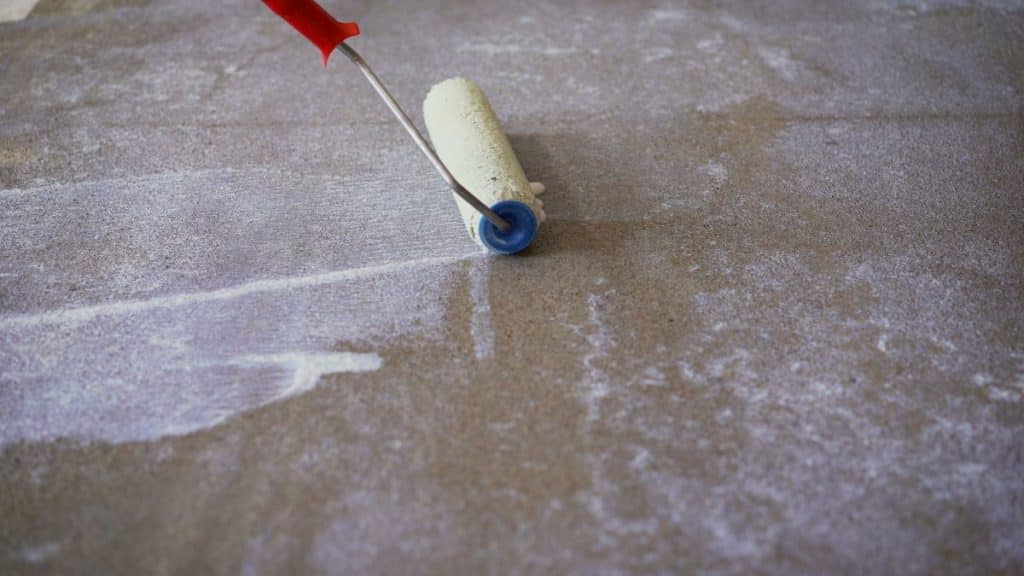
Concrete sealers are applied to the surface to create a protective barrier against water penetration. They are a popular choice for patios, driveways, flooring and pathways. This is because they keep water damage to a minimum and maintain the appearance and durability of the concrete over time.
Install a Waterproof Membrane
Waterproof membranes are used to provide an additional layer of protection in areas that are exposed to significant water pressure. Common applications of this concrete waterproofing system are basements, retaining walls and other underground structures. They are crucial in situations where preventing water ingress is critical to maintaining structural integrity.
Appy Waterproof Coatings
Waterproof coatings are protective surface treatments designed to shield concrete from moisture and weather-related damage. They can improve durability, reduce deterioration and enhance resistance to harsh conditions, making them suitable for walls, facades and other exposed concrete structures.
Common Mistakes When Waterproofing Concrete
Concrete waterproofing is only effective when the correct products and techniques have been used. There are some common mistakes that get made which can save you time and money if you avoid them.
Ignoring Existing Damage
Waterproofing concrete should never be used as a substitute for repairs. Pre-existing cracks, gaps and other forms of damage should be addressed first, as waterproofing products are designed to prevent moisture ingress rather than resolve underlying structural issues.
Choosing the Wrong Product
Different concrete structures require different waterproofing solutions. A product that works well for a driveway may not be suitable for a basement or retaining wall, so selecting the right system for the application is essential.
Poor Surface Preparation
Proper surface preparation is crucial for successful waterproofing. Dirt, dust, grease and other contaminants can prevent coatings, sealers and membranes from bonding correctly, reducing their effectiveness and lifespan.
Using Low-Quality Materials
Choosing high-quality waterproofing products from the start will make a significant difference to long-term performance against moisture, weather exposure and general wear.
Protecting and Maintaining Your Waterproofed Concrete
Inspect Concrete Regularly
Knowing how to make concrete waterproof and then keep it waterproofed is crucial. Regularly inspecting for any surface damage, cracks or signs of water absorption can help you spot problems early. This early detection means repairs can be made quickly and maintain the effectiveness of your concrete waterproofing.
Reapply Sealers When Required
Concrete sealers can wear down over time due to weather exposure and daily use. Following the manufacturer’s recommended maintenance schedule and reapplying sealers when necessary helps maintain consistent protection against moisture.
Address Small Issues Early
Even some of the most minor cracks or defects in your concrete can quickly develop into far larger problems if left untreated. Promptly repairing these issues will prevent any further damage, increasing the lifespan of your concrete as well as keeping repair costs down.
Start With Quality Concrete
One of the best ways to ensure your concrete will set correctly, meet the durability levels you need and be waterproofed to whatever specifications you require, is to seek help from the experts. At GB Concrete & Pump, we have made concrete our specialty and can help you order the ideal concrete for your project, regardless of size.
Getting The Right Materials For Your Concrete Project
This guide should have given you a better understanding of the question, is concrete waterproof? As well as some top tips on how to make concrete waterproofing work for your project.
The success of any concrete project, from installing a building’s foundations to fixing a driveway at home, falls on choosing the right concreting solutions. Siding with the experts at GB Concrete & Pump, means partnering with experts in the industry who can provide durable, long-lasting concrete options with peak performance quickly. For support and reliable supply, contact our team today and discuss your requirements.
FAQs
Can concrete be made completely waterproof?
Concrete can be made highly water-resistant, but achieving complete waterproofing depends on the methods used, the application and the various conditions the structure will face throughout its lifespan.
What is the best way to make concrete waterproof?
The best approach depends on whether the concrete is new or existing, as well as the level of water exposure in the area. Admixtures, sealers, membranes and special concrete waterproofing coatings may all be suitable depending on the project.
Do concrete sealers stop water penetration?
When applied correctly, concrete sealers can significantly reduce water penetration by creating a protective barrier that helps prevent moisture from entering the surface.
How long does concrete waterproofing last?
The lifespan of concrete waterproofing varies depending on the product used, environmental conditions, installation quality and ongoing maintenance. Regular inspections and upkeep can help extend its effectiveness.
Popular Articles


