
How to Stop Moisture Coming Through a Concrete Floor
Concrete floors can develop moisture problems for several reasons, including groundwater, poor drainage, condensation or an inadequate damp-proof membrane. Before choosing a treatment, it is essential to identify where the moisture is actually coming from. This guide explains practical solutions on how to stop moisture coming through concrete floors, along with preliminary measures to help stop moisture problems when installing new concrete.
Why Is Moisture Coming Through My Concrete Floor?
Concrete is naturally porous, so moisture can move through a slab from the ground below or other surrounding areas. Problems typically occur when a damp-proof membrane (DPM) is missing, damaged or incorrectly installed, allowing ground moisture to enter the concrete.
Groundwater, poor drainage, plumbing leaks and condensation are other common contributors to damp floors. Newer concrete slabs may also contain residual moisture as concrete takes considerable time to dry fully after installation.
Before applying a coating, sealant or other recommended treatment, you must first identify the source and extent of the moisture. This helps ensure the chosen solution addresses the underlying problem rather than simply covering up visible symptoms.
What Are the Signs of Moisture in a Concrete Floor?
Moisture problems in concrete floors can appear in several noticeable ways.
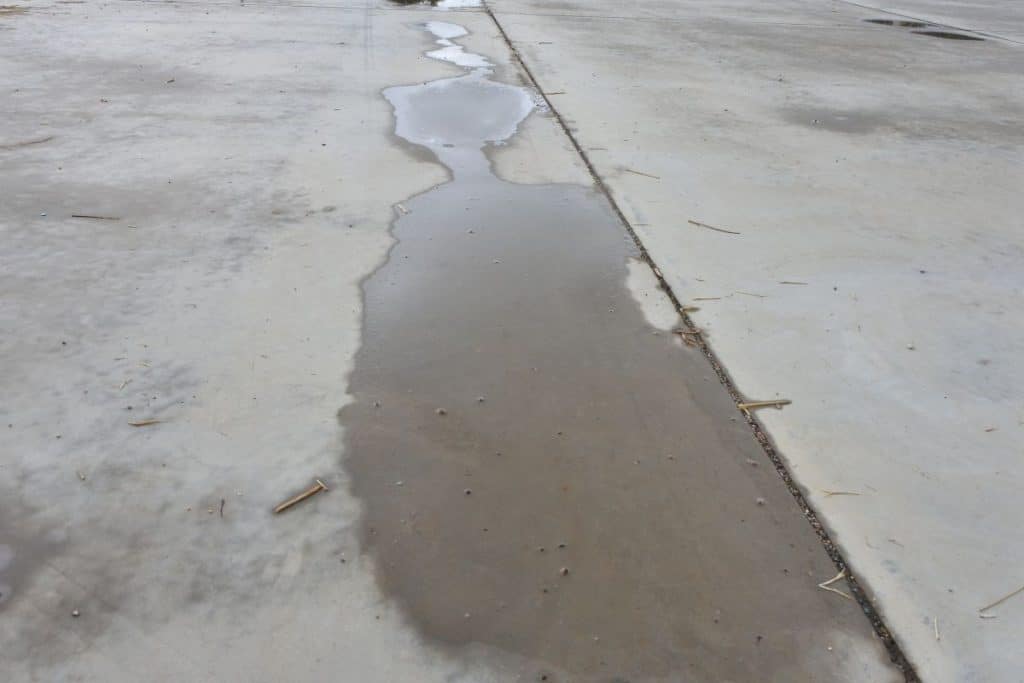
Damp patches or dark staining may develop on the surface, while persistent moisture can create a musty smell. White, powdery deposits known as ‘efflorescence’ may also appear as dissolved salts, which are carried throughout the concrete and left behind when water evaporates.
Then there is mould or mildew, which can grow where moisture remains trapped, particularly in poorly ventilated areas.
Floor coverings can be useful by providing further clues, with materials such as vinyl, laminate or carpet peeling, lifting, warping, bubbling or becoming damaged. Identifying these signs early can help prevent moisture from causing more extensive problems.
How to Stop Moisture Coming Through a Concrete Floor
Identify the Source of the Moisture
Moisture may be rising from the ground, entering through a leak or forming up from condensation. The age, construction and existing conditions of the floor are also important to provide useful clues. Preemptive moisture testing can confirm whether water, moisture or fluid is present within the slab itself, white persistent issues may require more specialised investigation.
Install or Repair a Damp-Proof Membrane
The purpose of damp-proof membranes is to act as a barrier between ground moisture levels and the concrete floor itself. If the original DPM system has failed, was fitted incorrectly or was never fitted in the first place, moisture can easily be absorbed and transferred throughout the concrete.
There are specialist remedial membrane systems that can provide a solution for existing flooring without replacing the whole area.
Use a Suitable Moisture Barrier or Surface Treatment
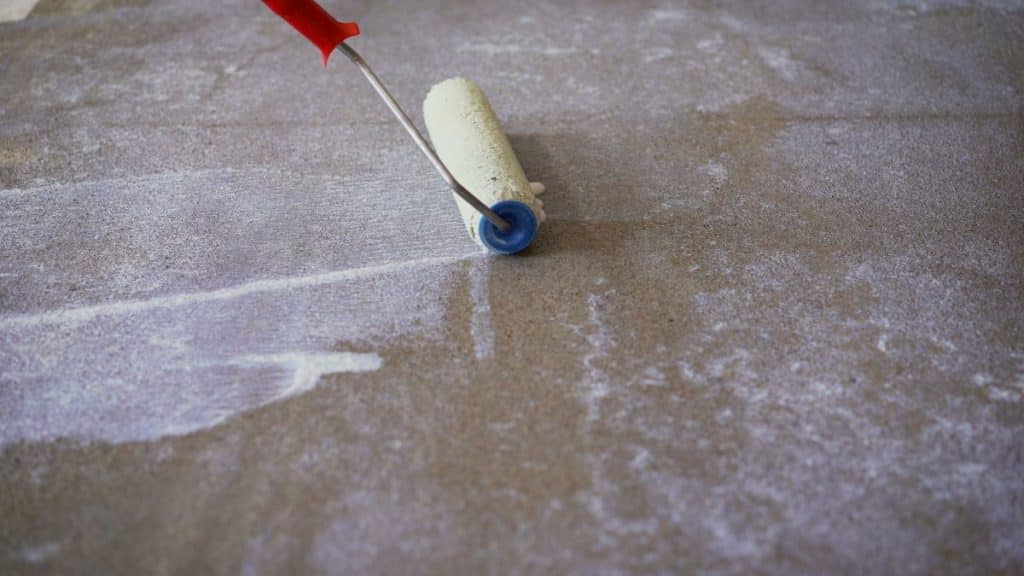
Whenever the installation of a new membrane is impractical, a surface-level moisture barrier may be helpful in controlling dampness in existing systems. This treatment must also be compatible with both the concrete and the installed flooring. Thorough preparation is important, like removing dust, contaminants, addressing cracks or defects and following manufacturer instructions.
Address Drainage and External Water Sources
Water entering from outside can be the biggest contributor to moisture levels beneath a concrete floor. Inspect drainage systems, ground levels, gutters and downpipes to identify potential routes for water to reach the building, with any and all plumbing faults being repaired promptly.
How to Prevent Moisture When Laying a New Concrete Floor
Moisture prevention should be one of, if not the most important considerations before concrete is mixed and poured. Start off with a foundation of a suitable sub-base of hardcore evenly laid and compacted. A continuous damp-proof membrane should then be incorporated into the construction of concrete flooring with any joints and edges sealed.
Another critical aspect to consider is that both the design and consistency of ready-mix concrete must be appropriate for the intended usage of the building. Approved Document C requires ground-supported floors to resist moisture from the ground and outlines numerous other construction factors to take into account.
Does a Concrete Floor Need a Damp-Proof Membrane?
A damp-proof membrane is an industry standard in how to stop moisture coming through concrete floor systems. DPM is designed to prevent moisture passing from the ground into the concrete floor and other surrounding items. Depending on the construction methods, the membrane would be installed either above or below the concrete. Regardless of which side it is installed the membrane must remain continuous with joints properly sealed. It must also connect to the damp-proof course of surrounding wall systems to combine into an effective barrier.
There are certain older buildings in which the floors won’t have DPM installed or they have a form of it that is no longer effective. In these situations remedial moisture-control becomes the necessary solution for stopping moisture coming through the concrete floor.
Can You Seal a Concrete Floor to Stop Moisture?
In the simplest terms, yes you can seal a concrete floor to stop moisture, as long as the floor has been assessed and prepared first with the initial source of the dampness found and dealt with too. Any dust, contaminants, cracks or weakened surface materials all need attention prior to sealing.
Wherever moisture is persistent, specialist damp-proofing advice may be needed to work out whether a surface sealant is appropriate or whether more extensive remedial work is needed.
Can Moisture Damage a Concrete Floor?
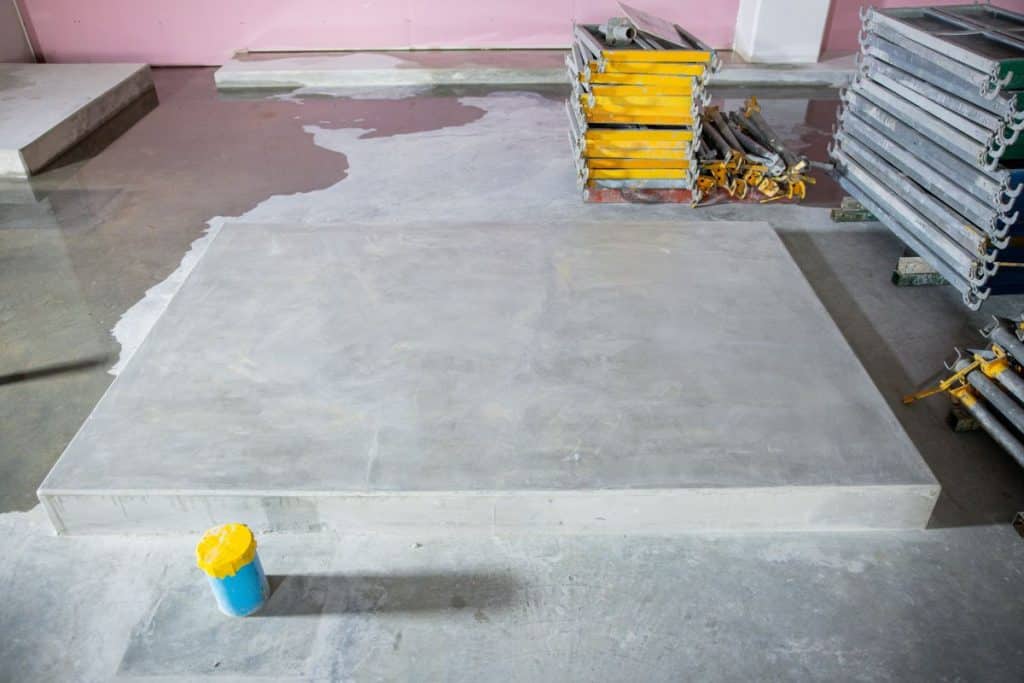
Prolonged dampness to a concrete floor may lead to surface staining, mould growth and efflorescence, each of which can create problems for the concrete itself as well as any materials installed over the slab. Excess moisture may prevent adhesives from bonding correctly, causing lifting or even failure to the floor. Any timber or laminated units applied will also begin to deteriorate from moisture absorption.
These issues can become more noticeable when the slab is covered with another flooring material, as moisture becomes trapped beneath. The best way to identify and mitigate potential issues is to ensure comprehensive moisture level checking prior to pouring.
Laying a Concrete Floor? Get the Foundations Right
A well-constructed floor starts with careful preparation, with the sub-base being appropriate for the project, evenly laid and adequately compacted before the remaining floor layers are installed.
A suitable DPM should be incorporated into the construction and sealed correctly. The concrete specification should reflect the required performance and intended use of the floor. It is also important to use a concrete calculator for accurate ordering and delivery.
Contact GB Concrete & Pump for guidance on good preparation to make the pouring process far more efficient while helping create a stable, durable floor with long-standing moisture protection.
Popular Articles


