
Recycling Concrete: Is It Possible?
Can concrete be recycled? In short, yes it certainly can. Concrete is one of the most widely used building materials in the entire world, and with the construction sector looking for more ways to be sustainable, recycling concrete is just one solution to a much larger end goal.
Concrete can be recycled and reused through various methods, such as recycling aggregates, and this guide explains how it’s done, what happens to the concrete and the benefits of doing so.
Can Concrete Be Recycled?
Concrete can be recycled and reused instead of being sent to landfill. The majority of concrete used in the UK is made up of aggregates, which are mechanically crushed and processed to be used again in new concrete production. This is known as Recycled Concrete Aggregate (RCA), and can be used for various types of new applications, most of which are sub-base and fill applications rather than structural ones.
How Is Concrete Recycled?
The process of recycling concrete requires specialist equipment and precision quality control so aggregates meet safety and industry standards.
Collection and Sorting
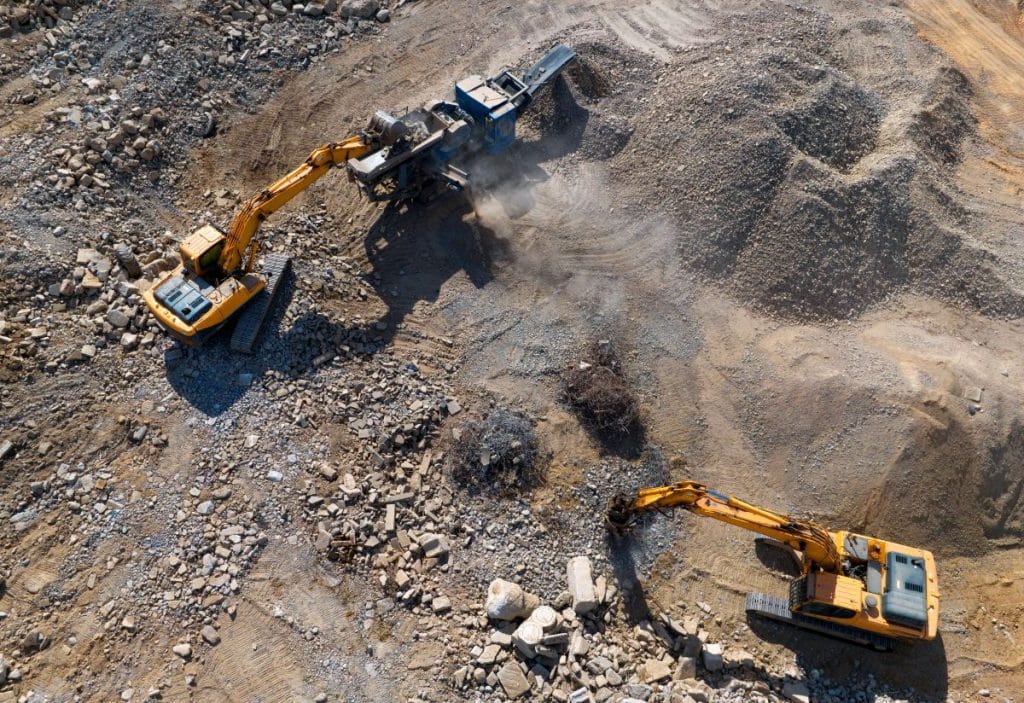
The first step of recycling concrete involves demolition. Construction workers will demolish concrete structures using specialist machinery like excavators, separating it from other materials like steel and wood. The demolished concrete is also separated from other debris and contaminants, helping to enable simple and efficient recycling. Depending on the project, concrete may be processed on site using mobile recycling equipment or transported to a dedicated recycling facility.
Crushing and Processing
The next step involves mobile crushers which break large pieces of concrete into smaller, usable aggregate. Powerful magnets and other devices also further separate unwanted metals like rebar and other materials like wood and paper. Crushing is most efficient when done on site, and causes far less pollution than transporting it to a dedicated facility or quarry. After crushing, the material is then screened into different aggregate sizes, ensuring it meets the specification required for different construction applications.
There are also advancements in processing, with CO2-based carbonation being highly popular. This involves injecting CO2 into crushed concrete, which improves strength and enhances the quality of the recycled aggregate.
Ready for Reuse
Once processed and sorted into different sizes to suit a range of construction applications, the material undergoes quality checks to ensure it meets the required specification. Any remaining contaminants are removed before it is approved for reuse.
Where Is Recycled Concrete Used?
Depending on its grade, recycled concrete can be used for a range of different construction applications. Its strength, durability and cost-effectiveness make it a practical alternative to primary aggregates across many civil engineering, landscaping and building projects.
Roads and Driveways
Recycled concrete is commonly used as a sub-base for roads, driveways, car parks and other paved surfaces. Once compacted, it provides a stable foundation capable of supporting traffic loads and is also widely used for hardstanding areas on commercial and construction sites.
Groundworks
In groundworks, recycled concrete is frequently used beneath foundations to create a stable base for construction. It is also suitable as engineered fill material for levelling sites, backfilling excavations and supporting a range of infrastructure and development projects.
Landscaping
Recycled concrete is a versatile material for landscaping projects, including footpaths, garden paths and decorative or functional hardstanding areas. Larger pieces can also be repurposed for retaining structures, edging and erosion control, depending on the project requirements.
Construction Projects
Concrete that has been recycled is suitable for a wide variety of construction applications, although its use depends on the required specification and performance of the project. When produced to the appropriate grade, it can provide a reliable, sustainable aggregate for many non-structural and selected structural applications where permitted by design and industry standards.
What Are the Benefits of Recycling Concrete?
Less Waste to Landfill
Recycling concrete results in far less waste being sent to landfill, where space is finite. By processing the different materials, it also helps further recycle metal and wood rather than that also ending up as landfill waste. This supports sustainable building practices and promotes a circular economy.
Conserves Natural Resources
By recycling concrete, the demand for virgin aggregates is reduced, helping to conserve finite natural resources such as sand, gravel and crushed stone. Using primary aggregate materials has a high carbon cost associated with extracting, processing and transporting aggregates, compared to the recycling process.
Lower Environmental Impact
Recycling concrete supports a more circular approach to construction by keeping valuable materials in use for longer. It also reduces the need to quarry new raw materials, helping to lower emissions, minimise habitat disruption and limit the overall environmental impact of construction projects.
Are There Any Limitations?
Not Suitable for Every Project
Recycled concrete is ideal for many construction and civil engineering applications but some structural projects may require virgin aggregates or new concrete to meet strict engineering specifications. Material selection should always follow the project design and relevant industry standards.
Quality Matters
The quality of recycled concrete depends on the conditions of the original material and how effectively contaminants have been removed during processing. Proper crushing, screening and quality control are essential to ensure the recycled aggregate performs reliably and is suitable for its intended use.
Choosing the Right Concrete for Your Project
Every construction project has different material requirements, so choosing the right concrete depends on its intended use, structural demands and project specifications. Recycled concrete is an excellent choice for many groundworks, landscaping and sub-base applications where sustainability and cost-effectiveness are priorities.
However, projects requiring structural concrete, precise strength grades or specialist mixes are often better suited to ready mix or volumetric concrete. Seeking advice from an experienced supplier like us here at GB Concrete & Pump who specialise in ready mix concrete in Birmingham, can help ensure you select the most appropriate material for your project.
FAQs
Can all concrete be recycled?
Most concrete can be recycled, provided it is free from excessive contamination. Materials containing hazardous substances or significant impurities may require additional processing or be unsuitable for certain recycled aggregate applications.
What is recycled concrete used for?
After concrete has been recycled, it can be used for a range of applications including road sub-bases, driveways, foundations, hardstanding, drainage layers, fill material and landscaping projects. Its suitability depends on the required specification and intended application.
Is recycled concrete as strong as new concrete?
It depends on the application. Recycled concrete aggregates perform well in many construction projects, but structural applications may require virgin materials or specific concrete mixes to meet engineering and design standards.
Is recycling concrete better for the environment?
Recycling concrete is better for the environment than making it from raw virgin aggregates. By recycling, it reduces construction waste sent to landfill, conserves natural resources and supports a more sustainable, circular approach to construction.
Popular Articles


