
How to Lay a Concrete Base: Step-by-Step Guide
Knowing how to lay a concrete base correctly and the details of what one is, is important. A concrete base becomes a strong, level surface for structures and various outdoor features like a shed, patio or a path. Laying one correctly involves comprehensive ground preparation, precision levelling, the right amount of good quality concrete and enough time for total curing.
Our experts have compiled this guide on how to lay a concrete base and some common mistakes to avoid.
What Do You Need to Lay a Concrete Base?
You will need concrete, suitable hardcore or sub-base material and, wherever needed, a damp-proof membrane. Timber and pegs are used to create secure formwork around the base. Some general essential tools should include a shovel, rake, spirit levels, tape measure, wheelbarrow, screed or tamping board and some suitable finishing tools.
Be sure to have hard-wearing gloves to wear, protective clothing, steel-toe or metatarsal-capped boots and eye protection throughout all stages of the work. Having everything ready beforehand makes the installation smoother and helps you work efficiently while the concrete is fresh.
How Thick Should a Concrete Base Be?
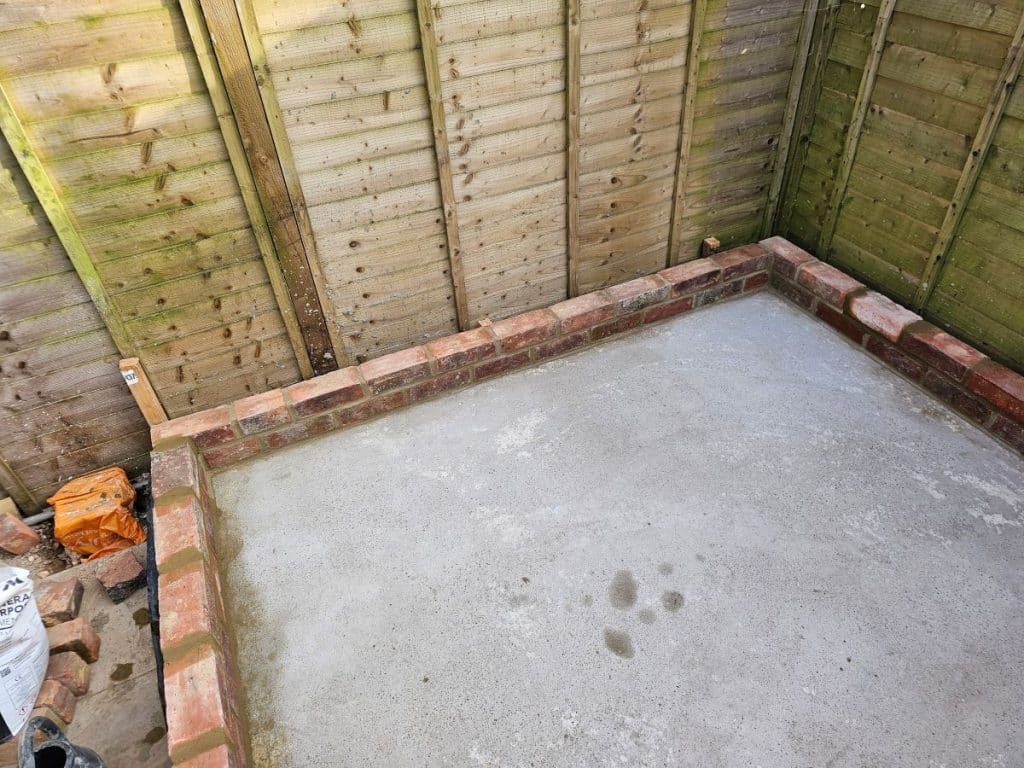
There is no singular answer to how thick a concrete base should be; the required thickness depends on what the base will support and the loads it will experience. A standard shed or patio will largely need a different specification when compared to a garage or heavier structure.
Be sure to consider both the depth of the compacted sub-base and the finished concrete layer when planning excavation. Always follow the manufacturer’s recommendations for structures like sheds, garages or prefabricated buildings, as well as any other project-specific requirements you may have.
How to Lay a Concrete Base Step by Step
Step 1 – Measure and Mark Out the Area
Start off the process by measuring the total required length and width of the area, then mark up said area using pegs and string. Double-check the finished dimensions and confirm whether the base is correctly positioned before excavation begins.
Step 2 – Excavate and Prepare the Ground
Remove vegetation, soil and debris to the required depth. Level and compact the ground thoroughly, then add suitable hardcore or sub-base and a damp-proof membrane where required.
Step 3 – Build the Formwork
Construct timber formwork around the perimeter, securing it firmly with pegs. Set the finished slab height and shape, then check levels and allow for any required drainage or fall.
Step 4 – Calculate How Much Concrete You Need
Calculate the volume using length x width x depth which will give you the required amount of concrete you will need in cubic metres. Allow for any ground variations and order the sufficient amount of concrete, feel free to use our concrete calculator for help with estimates.
Step 5 – Pour the Concrete
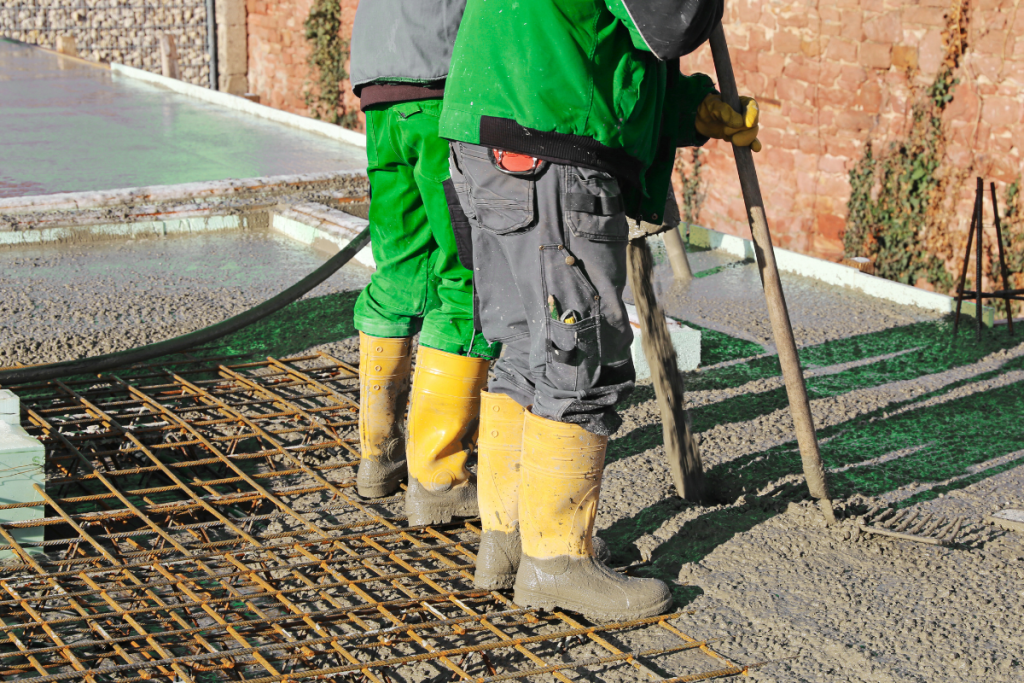
Ensure delivery access is suitable before pouring and spreading concrete evenly across the prepared area. Work efficiently while it remains workable. Concrete pumping can help where vehicle access is restricted, while concrete delivery provides convenient supply.
Step 6 – Level and Finish the Concrete
‘Screed’ or ‘tamp’ across the formwork to create an even surface for your concrete base. Fill any low areas, ensuring to remove any excess concrete as you go. Finalise by finishing the surface in your desired manner for texture, appearance and more.
Step 7 – Leave the Concrete to Cure
Protect newly poured concrete from damage and prevent it drying too quickly. Restrict foot traffic initially and wait longer before heavier loads. Allow sufficient time for the concrete to fully cure.
Ready Mix Concrete vs Mixing Concrete Yourself
For projects requiring smaller concrete bases, mixing the concrete yourself may be a practical option, but for larger areas that require significant time, labour and equipment may need professional help. Ready mix concrete provides a consistent mix throughout the pour with minimal variations between batches. This method will also make larger pours easier to manage and quicker overall, whether for a domestic or commercial project.
Common Mistakes When Laying a Concrete Base
There are some common mistakes that anyone can make during the preparation, mixing and completion of any concrete project.
Planning is arguably the most important aspect of how to lay a concrete base, so failing to prepare and compact the ground properly, using an insufficient base, taking the wrong measurements or ordering too much or too little concrete, can all cause your project to go wrong.
If you overlook correct leveling of the area you will not only have your structure built on a tilt, but you will also have to deal with fluid drainage problems. Finally, allow the concrete time to cure. The exact amount of time will vary but even if that top layer is dry, it may still be setting in the middle or still going through the bonding process.
How Long Does a Concrete Base Take to Set?
Concrete setting, curing and drying are different stages. A base may become firm enough for light foot traffic after several days, but heavier loads or structures should only be placed on it when sufficiently strong.
Concrete continues gaining strength during curing, with full design strength typically reached at around 28 days. Always follow the concrete supplier’s guidance for the specific mix and intended use.
Get Concrete Delivered for Your Base
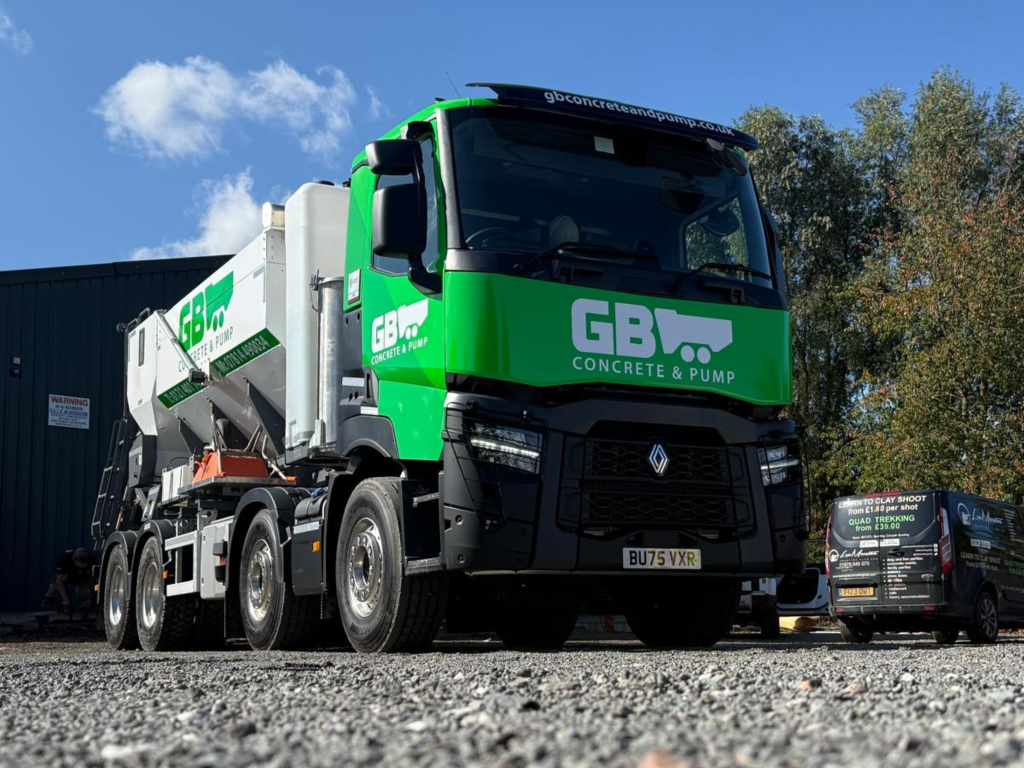
Choosing the right ready-mix concrete can make laying a domestic or commercial base faster and more straightforward. Here at GB Concrete, our experts can help you select the appropriate concrete quantity and specification, with delivery and concrete pumping options also available to suit site access and needs. Depending on time and availability, we may even be able to supply your concrete needs on the very same day.
For more advice on how to lay a concrete base, discuss your requirements or arrange concrete for your project, contact GB Concrete today and find out how we can help.
FAQs
Can you lay concrete directly on soil?
Concrete should not normally be laid directly onto soil. The ground needs proper preparation, including removing unsuitable material, compacting it and installing an appropriate sub-base to provide stability and drainage.
How deep should a concrete base be?
The required base depth depends on its intended use and expected load. Consider both the concrete thickness and sub-base depth, following project or manufacturer requirements for adequate support when looking at how to lay a concrete base.
How long before you can build on a concrete base?
Always allow any concrete to set and cure before building on it. Concrete will typically reach full strength at around 28 days, although earlier use may be possible.
Popular Articles


