
What’s The Difference Between Cement And Concrete?
Many people still think that cement and concrete are the same thing, with the terms being used interchangeably on a daily basis. But, cement and concrete are not the same thing. They are closely linked though, and understanding the difference between the two can help avoid the mistake of using the wrong material for the job.
Is Cement and Concrete the Same Thing?
Let’s clear this misconception up. Cement and concrete are not the same thing. Cement is a component, or ingredient, of concrete, and is a powdery substance that makes up around 10-15% of concrete’s total mass. Think of cement like flour and concrete like a fully baked cake.
What Is Cement?
Cement is a fine powder that acts as a binding agent. The majority of cement is made up of calcium-rich materials such as limestone or chalk, followed by the addition of alumina-rich materials like clay, shale or slate. Cement also requires minor adjustments to ensure the ideal chemical balance using small amounts of iron, sand or bauxite. Gypsum is also added to stop cement from hardening immediately when mixed with water. With all these ingredients combined, they are ground and heated at a high temperature, resulting in a rock-like substance called clinker, which is then ground into powder that we know as cement.
While rarely used on its own, cement is a widely used adhesive and binding solution when mixed with water, and it adds strength to many different structural elements.
What Is Concrete?
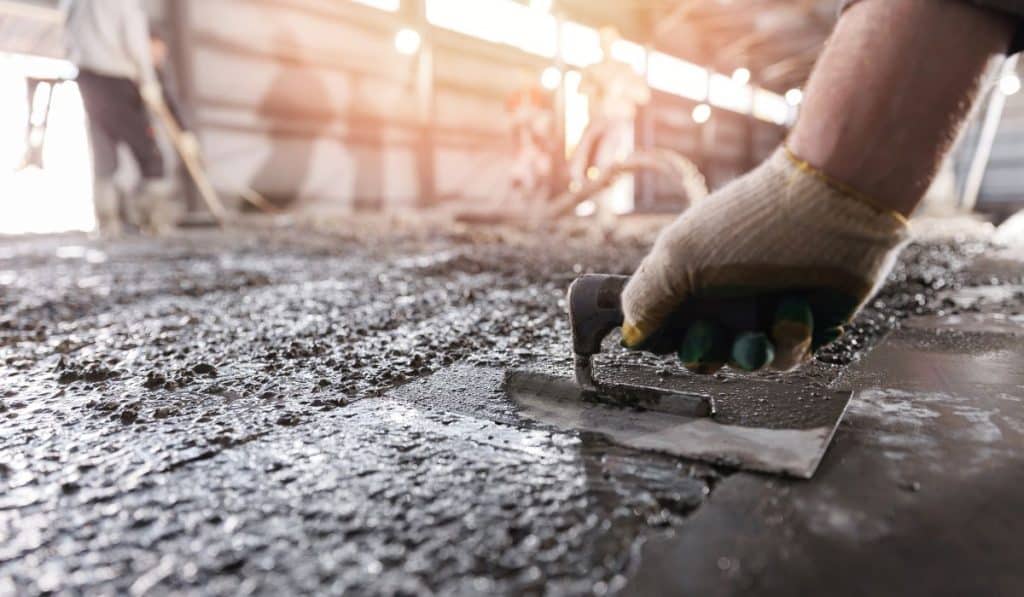
Concrete is a composite material made up of cement, water and both fine and coarse aggregates like sand, gravel or crushed stone. The cement binds all these components together, resulting in an incredibly strong, durable building material used for buildings, driveways, footings and many more applications.
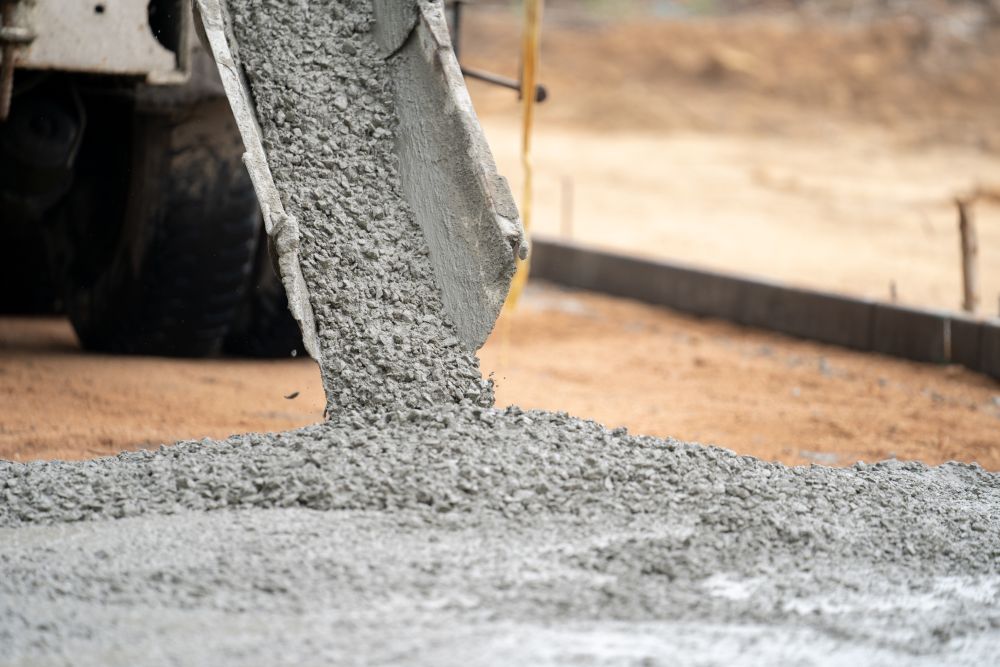
Combining cement, water and aggregates together results in ready mix concrete, enabling efficient batching and pouring for different types of work.
Cement vs Concrete: What’s the Difference?
Think of cement as a binding agent that causes concrete to harden as it dries. Cement also acts as a binding agent for mortar, which is used to hold bricks together. On its own, cement is weak and brittle, so is mainly used as a binding agent.
Concrete is the most widely used building material in the world, and acts as the finished structural material for heavy-duty applications, possessing extreme strength, durability and load-bearing capabilities.
Should I Use Cement or Concrete?
When Cement Is Used
Cement is primarily used within concrete, mixing with water and aggregates to create this high-strength building material. It is also used to create mortar, the adhesive for bricks, slabs, stones and blocks.
Cement is also used for specialist construction applications such as screed, which enables a high-quality and smooth finishing layer applied over floors and walls, or for waterproofing and sealing. Cement is almost never used on its own, as it becomes extremely brittle, shrinks and cracks under even minor pressure.
When Concrete Is Used
Concrete has been used since ancient times, although not with the same standard set of materials today, and the composite material’s properties enable various high-strength, durable and reinforced applications, including:
- Foundations
- Driveways
- Footings
- Slabs
- Flooring
- Retaining walls
- Bridges
- Tunnel linings
In all types of infrastructure, you will find concrete, whether domestic, commercial or industrial.
Why the Difference Matters
Understanding the difference between cement and concrete helps you choose the right material for the job and avoid costly mistakes. Cement is an ingredient used to make concrete, not a substitute for it.
Knowing the correct terminology when speaking with suppliers ensures you order what you actually need, while clear communication with contractors reduces confusion and helps projects run smoothly. Most importantly, recognising the distinct properties and uses of each material helps ensure the most suitable product is selected for performance, durability and long-term success.
Ordering The Right Concrete For Your Project
At GB Concrete & Pump, we deliver a range of concrete to sites across Birmingham and the West Midlands. We are experts in delivering the exact type of concrete suitable for your development, ensuring precise water and cement ratios and can perform concrete pumping for hard-to-reach areas and restrictive sites.
Contact us for more information on our services or use our concrete calculator to assess the type and amount of concrete you need.
Popular Articles


