
Pouring and Setting Concrete in the Rain: What You Need to Know
Can you pour concrete in the rain? The short answer is yes, but it depends on the conditions. Pouring concrete is possible in light rain, as long as the right preparation and protection measures are in place. However, heavier or more persistent rainfall can damage fresh concrete, so delaying the pour may be the safer option in certain cases.
The main concern isn’t simply that concrete gets wet. It’s that excess rainwater can affect the freshly placed material and damage the surface before it has properly set.
If you’re planning a domestic or commercial concrete project, understanding these risks will help you prepare for changing weather conditions and avoid unnecessary problems.
Can You Pour Concrete in the Rain?
Concrete can be poured during light rain if the site is adequately prepared and the fresh concrete is properly protected. Short showers may be manageable with waterproof covers and effective drainage. However, heavy or prolonged rainfall can compromise the concrete due to water accumulation or surface damage.
Before starting, several factors should be considered:
- Rainfall Intensity: Light rain may be acceptable, but heavy downpours can make pouring unsuitable
- Site Drainage: Standing water needs somewhere to drain so it can’t mix with fresh concrete
- Site Access: Wet, muddy ground may hinder vehicle movement and equipment operation
- Wind Conditions: Strong winds can make protective covers difficult to secure
- Surface Protection: Suitable covers should be on site and ready to use
If conditions worsen or protection is inadequate, postponing the pour is advisable.
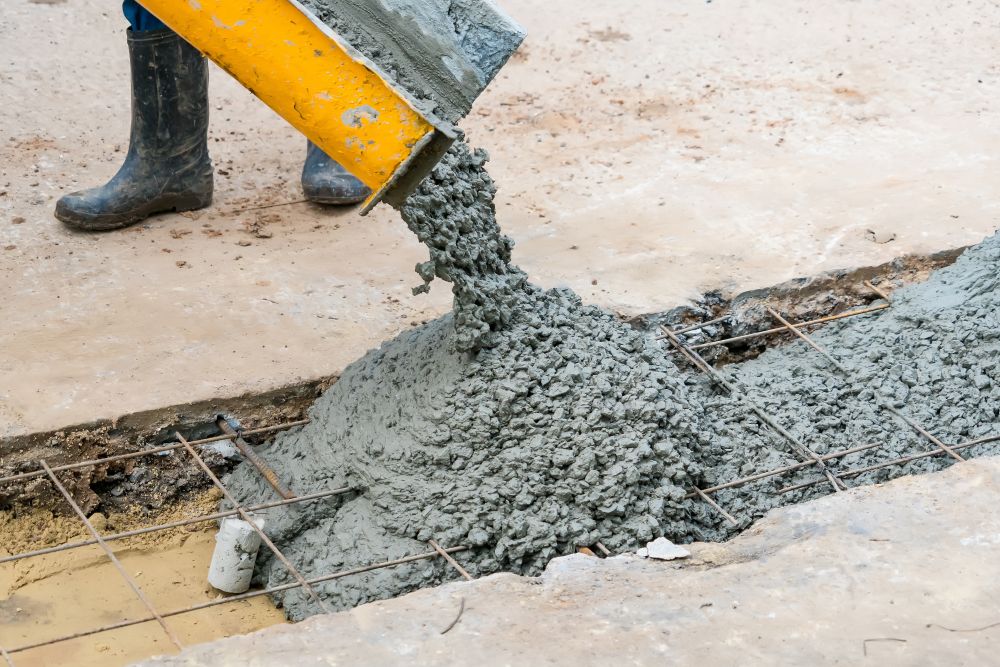
What Happens If It Rains on Freshly Poured Concrete?
Fresh concrete relies on a precise balance of cement, aggregates and water. Excess rainwater can upset the water-cement ratio, especially during placement and finishing.
Heavy rainfall may wash away cement paste, leaving marks, uneven surfaces or a weaker finish prone to dusting and scaling. The severity of damage depends on rainfall intensity, the concrete mix and how far it has set.
Rain During the Pour
Rain during concrete placement and finishing can cause significant problems while the material remains workable. Water collecting on the surface or in the pour area may weaken it, while heavy rainfall can wash away cement paste. If conditions worsen, pause, get the covers on and reassess before carrying on.
Rain After the Concrete Has Started to Set
Once concrete begins setting, it becomes less vulnerable to rain damage, although protection may still be necessary. How much risk remains depends on the mix, the weather, the type of finish and how well the surface is protected.
Keep the surface covered during heavy rain until the concrete has gained sufficient strength.
Will Concrete Set in the Rain?
In most cases, concrete will still set in the rain. Rainfall doesn’t automatically stop the chemical reactions responsible for hardening, but excessive water can damage fresh concrete before it has developed sufficient early strength.
It’s useful to understand the difference between setting and curing:
- Setting: The initial stage when concrete gradually loses its workability and begins to harden
- Curing: The process of maintaining suitable moisture and temperature conditions so the concrete continues developing strength through cement hydration
Concrete needs moisture to cure properly, but uncontrolled rainfall is not the same as carefully managed curing.
If you’re planning when to use a newly poured surface, explore our guide to how long concrete should cure before putting weight on it.
How to Prepare for Pouring Concrete in Wet Weather
Preparation matters even more with the unpredictable British weather. Checking the forecast, sorting out drainage and having covers ready before the delivery arrives will all help.
Check the Forecast and Have a Backup Plan
Review weather forecasts before scheduling delivery and again before pouring. Prepare for heavy rain or strong winds and agree a backup plan with your contractor and concrete supplier in advance, including how much rain would mean covering up or postponing.
Check Drainage and Remove Standing Water
Inspect excavations, formwork and surrounding ground for standing water. Ensure drainage prevents rainwater entering the pour area, and reassess conditions if water keeps collecting. Never pour concrete into a water-filled excavation.
Have Waterproof Covers Ready
Have waterproof sheeting on site before the delivery arrives, along with weights or battens to hold it down in the wind. Covers should protect the surface without touching or damaging freshly finished concrete.
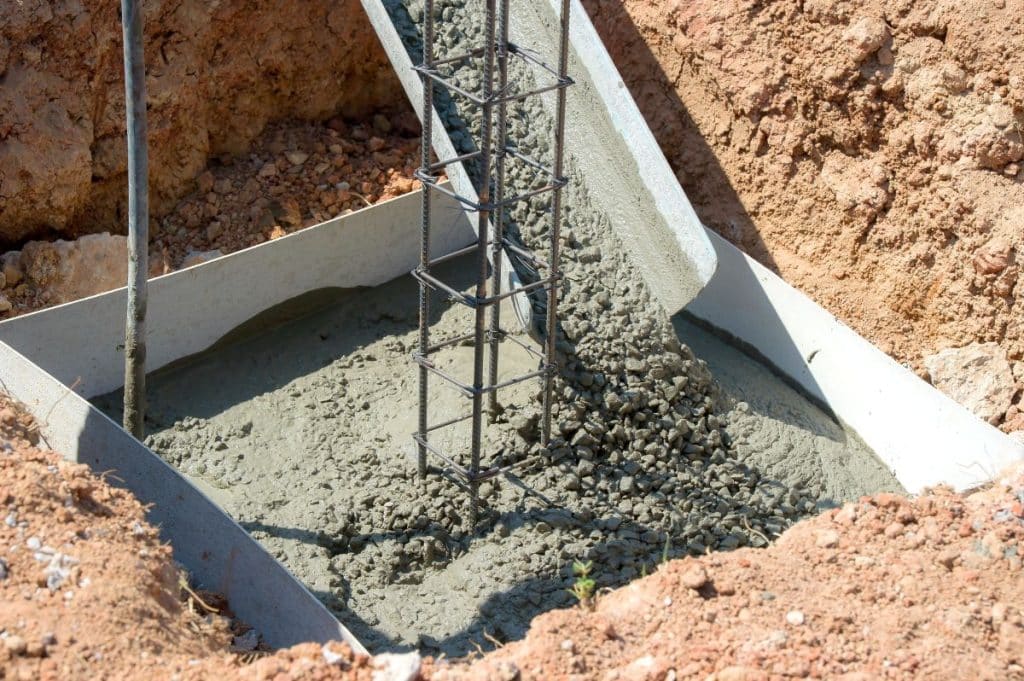
What Should You Do If It Starts Raining During a Concrete Pour?
If rain begins while you’re pouring concrete, don’t panic. Act promptly to limit the amount of water reaching the fresh surface.
- Protect the Concrete: Get your covers over the most exposed areas first
- Prevent Additional Water Entering: Redirect runoff away from the pour and stop water from accumulating
- Avoid Mixing in Rainwater: Don’t work rainwater into the concrete while finishing or scatter dry cement over the surface to absorb excess moisture
- Reassess the Pour: Once conditions improve, inspect the affected areas before continuing with finishing or further placement
If heavy rainfall has significantly affected the concrete, or there are concerns about a load-bearing element, you should seek advice from a qualified construction professional.
How to Protect Fresh Concrete From Rain
Protecting freshly poured concrete involves more than covering the surface with plastic sheeting. Ideally, raise covers above the concrete to avoid marking the finish, and never drag sheeting across the fresh surface. Secure the edges firmly to prevent wind displacement and stop rainwater entering underneath.
Watch for nearby water sources, including roofs, gutters and surrounding ground, as runoff can reach the concrete even during light rainfall.
Keep the area free from standing water, check covers regularly, prevent collected water from spilling onto the surface and minimise disturbance. How long the covers need to stay on depends on the concrete mix, temperature, weather and how far the concrete has set.
How Can You Tell If Rain Has Damaged Concrete?
Rain damage to fresh concrete may not be apparent straight away. Certain defects only become visible after the concrete has hardened or been in regular use.
Common warning signs include dusty surfaces, flaking, scaling, small pits, uneven textures and discolouration. Cracks may also appear, although these could be the result of various causes rather than rainfall alone.
Visible defects do not necessarily mean the concrete has lost its structural strength. However, appearance alone cannot determine its overall condition. If damage seems extensive, especially in foundations, structural slabs or load-bearing areas, seek a professional assessment before arranging repairs or continuing with construction work.
Plan Your Concrete Supply Around the Weather
Planning a concrete pour in uncertain weather? GB Concrete & Pump has supplied ready mix concrete across Birmingham and the Midlands since 2011, serving domestic and commercial projects. Prepare your site, calculate quantities and consider forecast conditions before booking.
Our experienced team is happy to talk through concrete delivery schedules, site access and requirements. Use our online concrete calculator to get a quote, usually emailed within a day, or just give us a call and we’ll talk you through it.
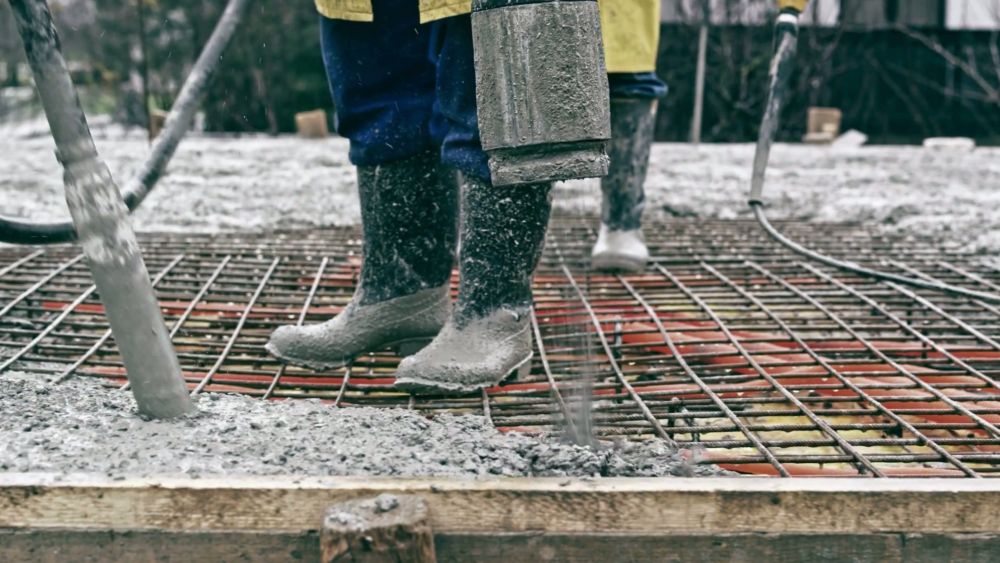
Pouring Concrete in the Rain FAQs
Can You Pour Concrete After It Has Rained?
Yes, provided the site is suitable and standing water has been removed. Check ground conditions, excavations and drainage before proceeding. If the ground is unstable or water continues collecting, the pour may need postponing.
How Long After Pouring Concrete Can It Rain?
There’s no universal safe time, because setting time depends on the concrete mix, temperature and site conditions. Fresh concrete should be protected from damaging rainfall until it has set enough to resist surface damage.
Does Rain Help Concrete Cure?
Concrete needs moisture for cement hydration, but uncontrolled rainfall isn’t a reliable curing method. Heavy rain can damage fresh surfaces, whereas appropriate curing maintains suitable moisture and temperature conditions while the concrete develops strength.
Can Heavy Rain Ruin Fresh Concrete?
Heavy rain can wash away cement paste, weaken the surface and affect the finish before concrete has set. Damage isn’t always structural, but significant exposure should be assessed by a qualified professional before deciding on repairs.
Should You Cover Concrete If Rain Is Forecast?
Yes, have suitable waterproof covers ready when rain is forecast. Protect the surface without marking or disturbing it, secure the covers against wind and prevent runoff from reaching freshly placed concrete.
Popular Articles


