
What If I Order Too Much Concrete?
Ordering too much concrete can leave you paying for material you don’t need, while ordering too little can cause delays and additional delivery costs. Ordering the right amount of concrete isn’t always straightforward, so finding the right solutions, such as volumetric concrete, can help you avoid unnecessary, costly waste.
Fortunately, there are ways to calculate your requirements more accurately and choose a concrete delivery method that gives you greater flexibility.
What Happens If You Order Too Much Concrete?
Ordering too much concrete can result in several challenges and project setbacks.
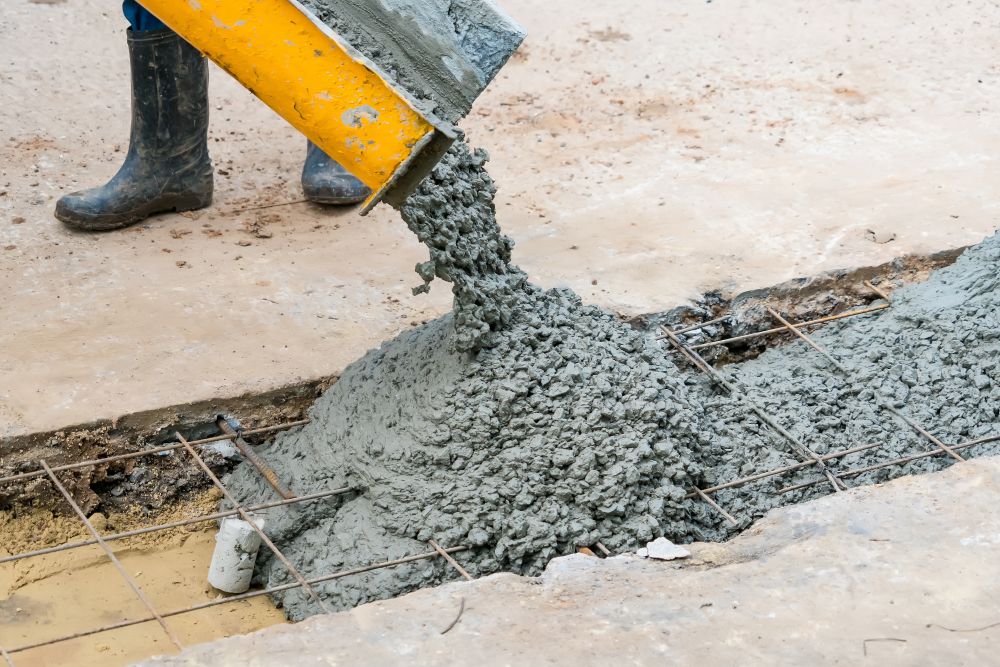
Once concrete has been mixed, any surplus needs to be managed appropriately. Wet concrete and concrete slurry shouldn’t simply be poured onto the ground or allowed to enter drains or watercourses. Depending on the quantity and circumstances, unwanted concrete may need to be recovered, reused where appropriate or handled through suitable waste management methods.
While small amounts of leftover concrete may sometimes be repurposed for suitable applications elsewhere on a project, larger quantities can be much more difficult to deal with. This can create additional handling, clean-up and disposal requirements that add unnecessary costs to your project.
There is also the simple issue of paying for material you don’t actually need. When margins are already tight, repeatedly overestimating concrete requirements can quickly increase project costs.
Why Does It Happen?
Ordering the wrong amount of concrete can happen for several reasons. The most common mistakes include:
- Miscalculating volume requirements
- Ordering extra “just in case”
- Misjudging site conditions or the required depth
- Making changes to the project or pour dimensions
Miscalculating the volume of concrete you need is one of the most costly mistakes to make. For a straightforward rectangular area, concrete volume can be calculated by multiplying the length by the width by the depth, with measurements converted into metres to give the volume in cubic metres.
However, not every project is a simple rectangular slab. Footings, columns, post holes and irregularly shaped areas can make calculating the exact quantity more complicated.
Is Ordering Too Little Any Better?
If you thought overordering concrete was bad, ordering too little can cause just as many costly problems.
If you order less volume than you need, work may need to stop while another delivery is arranged. This can cause project delays and may mean paying additional delivery or part-load charges.
Delays between batches can also result in cold joints forming, where fresh concrete is poured against concrete that has already started to set. Depending on the application and how the joint is managed, this can affect the appearance, watertightness or structural performance of the finished concrete.
Getting the right quantity and volume is crucial for keeping deliveries and pours running efficiently. Accurately calculating the volume you need can reduce unnecessary waste while also lowering the risk of running short partway through the job.
How Volumetric Concrete Solves the Problem
Ready mix concrete can work well when the quantity required is known in advance. However, some projects aren’t as easy to predict, particularly when site conditions or the dimensions of the pour could change.
This is where volumetric concrete offers greater flexibility. Rather than arriving already mixed, the individual ingredients are carried separately in a specialist volumetric truck and mixed fresh on site. Concrete can therefore be produced on site according to the amount required for the job.
One of the biggest benefits is that you only pay for the concrete you use. If your original calculations turn out to be slightly higher than the actual requirement, you don’t have to produce the remaining concrete simply because it was included in your initial estimate.
This helps to:
- Reduce unnecessary concrete waste
- Avoid paying for concrete you don’t use
- Accommodate changes in the quantity required
- Reduce the risk of overordering for irregular or difficult-to-measure areas
- Keep the concrete fresh by mixing it on site
Volumetric concrete can be used across both domestic and commercial projects, making it very useful when it’s difficult to know exactly how much will be required before work begins.

Tips for Ordering the Right Amount of Concrete
Although volumetric concrete gives you greater flexibility, it’s still important to estimate your requirements as accurately as possible before placing an order.
Measure the area carefully:
Double-check the length, width and depth of the area before calculating your concrete requirements. For irregular spaces, it may be easier to divide the project into several simpler shapes and calculate each section separately.
Use a concrete calculator:
GB Concrete and Pump’s concrete calculator can help you estimate how much concrete you’ll need. Enter the dimensions and shape of the pour area and calculate the estimated volume in cubic metres.
Speak to your concrete supplier:
If you’re unsure about your measurements, concrete grade or the amount you’ll need, ask your supplier before ordering. Providing accurate information about the project can help them advise you on the most suitable option.
Consider volumetric concrete when quantities are uncertain:
If there’s a chance the required volume could change once work starts, volumetric concrete can provide additional flexibility. Because it’s mixed according to demand on site, you don’t have to entirely rely on your initial estimate.
Take the Guesswork Out of Ordering Concrete
Ordering too much concrete can leave you paying for material you don’t need and dealing with unnecessary waste. Order too little and you could face delays, additional deliveries and interruptions to your pour.
Careful measurements and accurate calculations are always important, but volumetric concrete can provide additional flexibility when it’s difficult to predict the exact quantity required. However, ready mix concrete can be a suitable option when your concrete requirements are known in advance.
If you are unsure how much concrete you need, get in touch with GB Concrete and Pump before placing your order. Our team can help you calculate your requirements and find the right concrete solution for your project.
Popular Articles


