Author: gbconcrete

Can you concrete over block paving?

Pouring concrete over block paving is feasible and can be done effectively if certain steps are followed to ensure a stable and durable surface. Here’s a step-by-step guide on how to achieve this:

1. Assess the Block Paving

– Condition: Check the condition of the existing block paving. Ensure there are no loose blocks, major gaps, or signs of instability.

– Levelness: Make sure the surface is level. Uneven surfaces can cause the concrete to crack or settle unevenly.

2. Clean the Surface

– Debris Removal: Remove all debris, dirt, and vegetation from the block paving.

– Power Wash: Use a power washer to thoroughly clean the surface, ensuring good adhesion of the concrete.

3. Prepare the Block Paving

– Filling Gaps: Fill any large gaps or holes in the paving with a sand-cement mixture. This helps to prevent the concrete from seeping through.

– Compaction: Compact the block paving to ensure it is stable and will not shift under the weight of the concrete.

4. Install a Bonding Agent

– Bonding Agent: Apply a bonding agent to the block paving. This helps the new concrete adhere better to the old surface.

5. Lay a Reinforcement Mesh

– Rebar or Wire Mesh: Place a reinforcement mesh over the block paving. This will add strength to the concrete slab and help prevent cracking.

6. Formwork Installation

– Formwork: Install formwork around the area where you will be pouring concrete. This keeps the concrete in place until it cures.

7. Pour the Concrete

– Concrete Mix: Use an appropriate concrete mix suitable for the intended use of the floor.

Pouring: Pour the concrete over the block paving, ensuring even distribution.

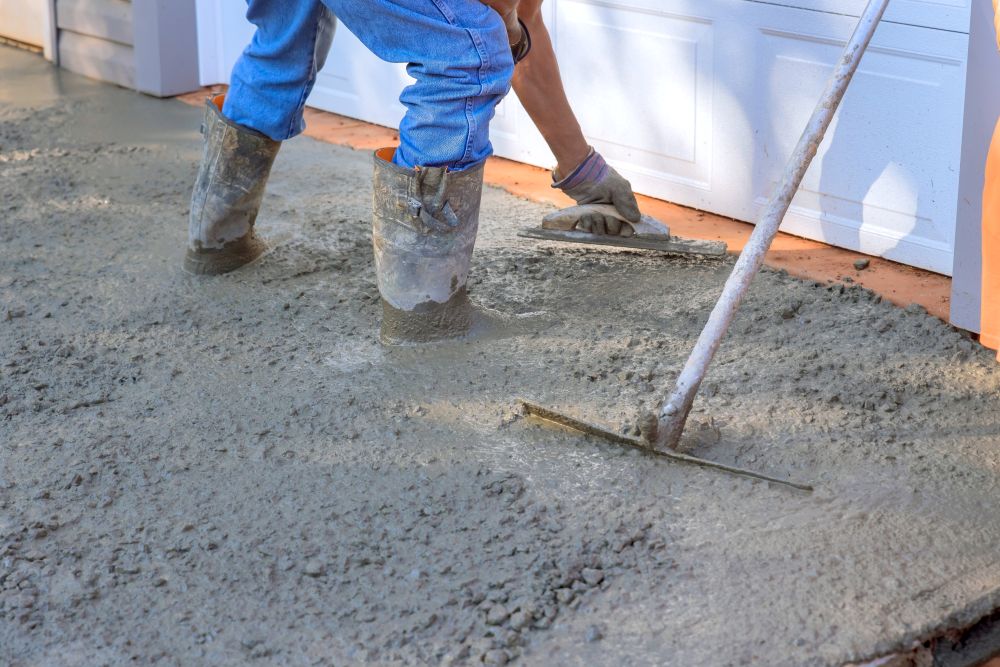
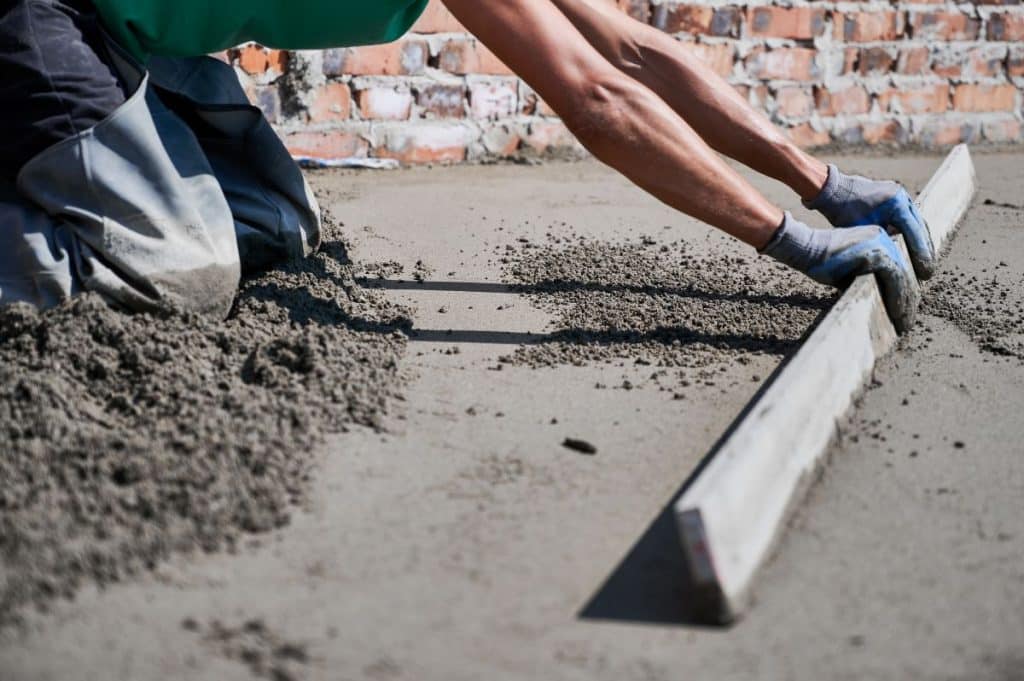
– Levelling: Use a screed to level the concrete surface. Make sure to work quickly before the concrete starts to set.

– Finishing: Smooth the surface using a trowel or float to achieve the desired finish.

8. Curing

– Curing: Allow the concrete to cure properly. This usually involves keeping the surface moist and covered for several days to prevent rapid drying and cracking.

9. Final Inspection

– Inspection: Once the concrete has cured, inspect the surface for any issues such as cracks or uneven areas and address them accordingly.

Additional Considerations

– Drainage: Although the floor is undercover, consider if there’s any risk of water pooling. Ensure the concrete has a slight slope for drainage, if necessary.

– Thickness: Ensure the new concrete layer is thick enough to provide the desired durability. Typically, a minimum of 2-3 inches is recommended, but this can vary based on specific needs.

By following these steps, you can successfully pour concrete over block paving, creating a solid and stable surface suitable for various uses. If you’d like to know more or need help with your project, visit and contact us here.

How Long Does A Concrete Floor Take To Dry?

If you’ve recently poured a concrete floor, or you’re planning to, one of the most common questions is: how long before it’s ready to use?

The answer isn’t as simple as a single timeframe because concrete doesn’t just dry, it cures over time, gradually getting stronger. Knowing what to expect at each stage helps you avoid costly mistakes like cracking, weakening, or premature loading.

In this guide, we’ll take a look at how long concrete usually takes to set, what happens during each phase, and what factors can affect the process.

Concrete Floor Setting Timeline

Here are the typical stages and timeframes for concrete to set and cure:

1. Initial Setting Time (24-48 Hours)

During this period, the concrete hardens enough to be walked on, but it isn’t fully cured. This initial setting allows for the finishing touches to be complete, but the internal structure is still fragile.

It’s important to note that while it may look solid, no significant weight should be put on it just yet.

2. Partial Cure (Around 7 Days)

After about a week, concrete reaches about 70% of its full strength. It’s strong enough to handle light foot traffic and other light loads. During this period, keeping the surface moist prevents rapid drying, which can lead to cracks and reduced strength.

3. Full Cure (28 Days)

We generally consider concrete to be fully cured after 28 days. At this point, it reaches its desired strength and can support its full load-bearing capacity and handle heavy use.

Factors That Influence Concrete Setting Time

Temperature

Higher temperatures can accelerate the setting process, while lower temperatures can slow it down.

Moisture & Humidity

Adequate moisture is crucial for curing. Dry conditions can cause the concrete to set too quickly, leading to potential cracking.

Concrete Mix

The specific concrete mix used plays a big role. Additives and the water-to-cement ratio can alter setting times. For example, accelerants can speed up the setting time, while retarders can slow it down for better workability.

Slab Thickness

Thicker concrete slabs may take longer to set and cure compared to thinner ones.

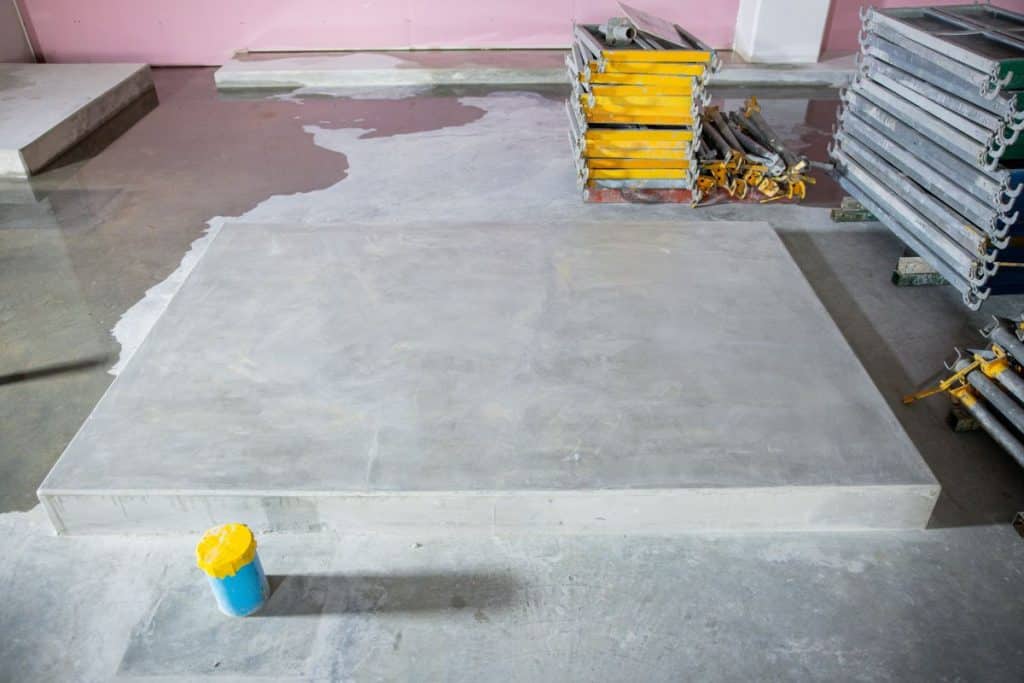
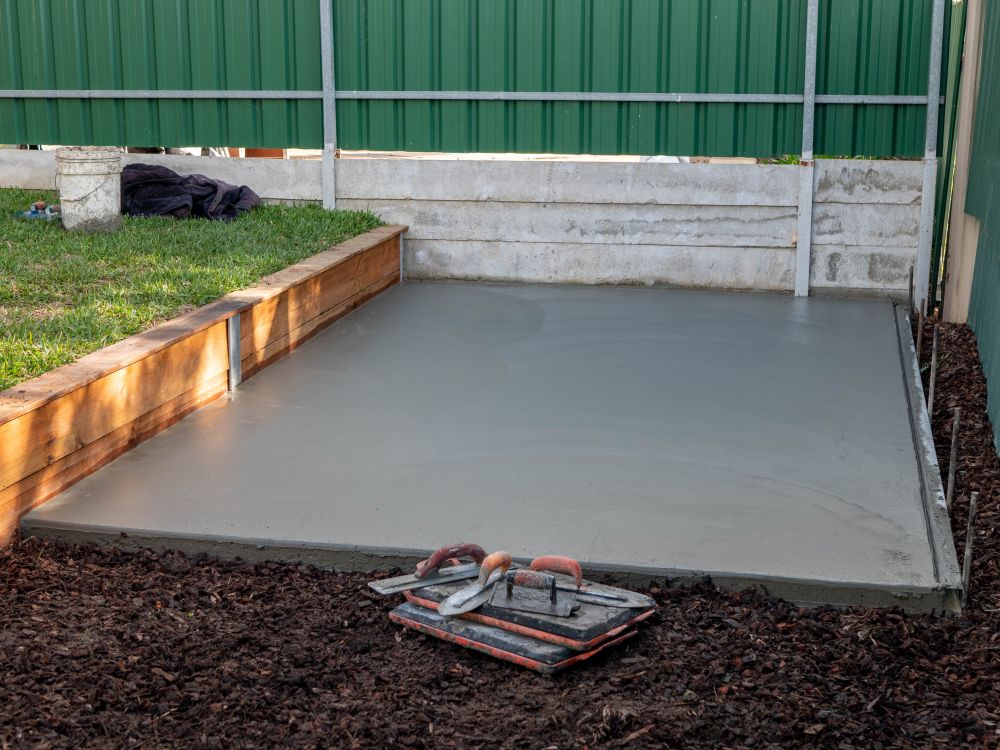
concrete slab

Practical Tips To Get The Best Results

To make sure your concrete floor cures properly:

  • Avoid heavy loads for at least 28 days
  • Keep the surface damp during the first week
  • Use curing methods like plastic sheeting or curing compounds
  • Plan your pour around moderate weather conditions where possible

Understanding these timelines and factors helps ensure the concrete floor achieves its intended strength and durability.

Concrete setting isn’t a quick process, and rushing it can lead to long-term problems. By understanding the different stages and allowing proper curing time, you’ll end up with a stronger, more durable floor that lasts for years.

If you’re looking for the highest quality concrete to build your foundation, look no further than GB Concrete & Pump. We supply top quality concrete mixes to exact quantities through our volumetric concrete services, across Birmingham & the West Midlands. We can calculate and provide the perfect mix for you, just get in touch with us to find out how we can help.

The Art of Concrete Screed: A Comprehensive Guide by GB Concrete & Pump

In the realm of construction, the importance of a solid foundation cannot be overstated. Whether it’s for residential, commercial, or industrial purposes, the integrity of the flooring sets the stage for the entire structure. This is where concrete screed steps into the spotlight, offering a robust solution for achieving level surfaces with optimal strength and durability.

At GB Concrete & Pump, we pride ourselves on delivering high-quality concrete solutions tailored to the unique needs of our clients. Today, we delve into the world of concrete screed, exploring its various applications, advantages, and why our offerings stand out in the industry.

Concrete vs. Floor Screed: Understanding the Difference

Before diving into the specifics of screed, it’s crucial to distinguish between concrete and floor screed. While both materials share similarities, they serve distinct purposes in construction projects.

Concrete, renowned for its versatility and strength, forms the structural foundation of buildings and infrastructure. It’s typically composed of a mixture of cement, water, aggregates, and additives, providing the necessary support for heavy loads and structural stability.

On the other hand, floor screed serves as a level substrate for floor finishes, such as tiles, wood, or carpet. Unlike concrete, screed is finer in texture, facilitating a smooth and even surface. It’s applied over concrete substrates or insulation layers to achieve the desired levelness before the final flooring is installed.

Screed for Underfloor Heating: Enhancing Comfort and Efficiency

One of the notable applications of screed is in underfloor heating systems, where it plays a crucial role in optimising thermal conductivity and heat distribution. By embedding heating pipes or cables within the screed layer, buildings can enjoy efficient and uniform heating, minimising energy consumption and enhancing comfort levels.

Our specialized screed mixes are engineered to accommodate underfloor heating systems, ensuring optimal performance without compromising structural integrity. With our expertise, clients can enjoy the benefits of a seamless integration between screed and heating systems, resulting in superior comfort and energy efficiency.

GB Concrete & Pump’s Screed Delivery: Efficiency at Your Doorstep

At GB Concrete & Pump, we understand the importance of efficiency and precision in construction projects. That’s why we offer hassle-free screed delivery services, tailored to meet the specific requirements of each project.

Our state-of-the-art delivery fleet ensures prompt and reliable transportation of screed directly to the construction site, eliminating delays and logistical challenges. Whether it’s a small-scale renovation or a large-scale development, our experienced team is equipped to deliver the right quantity of screed, precisely when and where it’s needed.

Wet vs. Dry Screed: Choosing the Right Solution

When it comes to screed installation, you can often face the decision between wet and dry screed methods. Each approach offers unique benefits and considerations, depending on the project requirements and timeline.

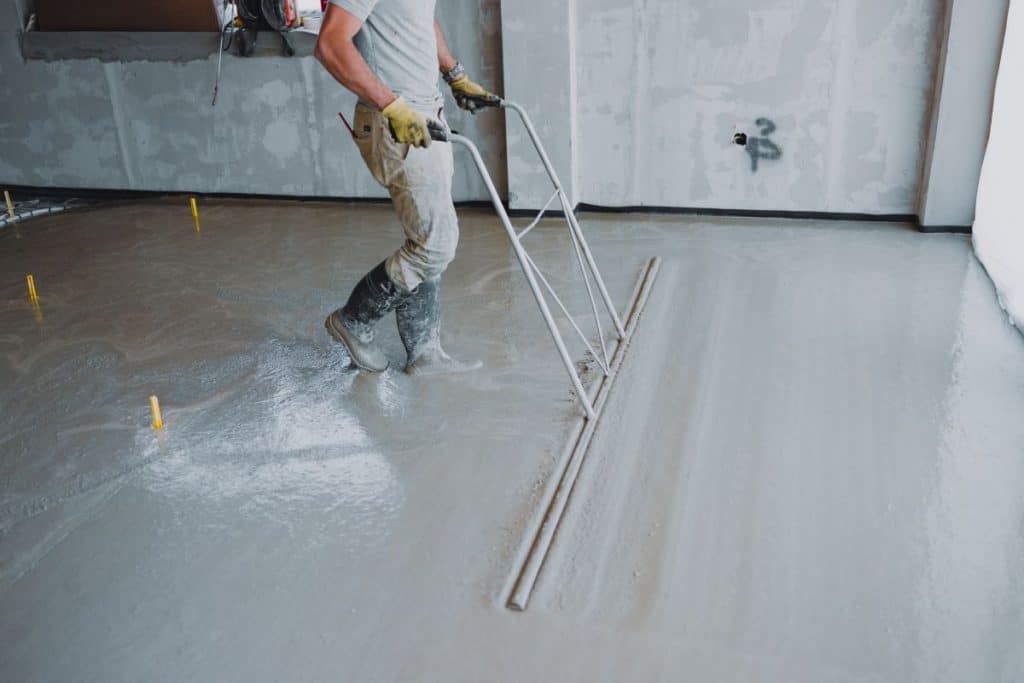
Wet screed involves pouring a liquid mixture of cement and sand directly onto the substrate, allowing it to self-level and cure over time. This method offers fast installation and excellent bond strength, making it ideal for large-scale projects with tight deadlines.

In contrast, dry screed, also known as pre-mixed or flowing screed, involves the use of pre-mixed screed materials that are pumped or poured onto the substrate. This method offers precise control over thickness and levelness, making it suitable for projects with specific tolerance requirements.

At GB Concrete & Pump, we offer both wet and dry screed solutions, customized to meet the unique needs of each project. Our expert team works closely with clients to determine the most suitable method based on project specifications, budget, and timeline.

Conclusion

In the realm of construction, concrete screed stands as a cornerstone for achieving level, durable, and structurally sound flooring. From its applications in underfloor heating systems to its role in providing a smooth substrate for floor finishes, screed plays a pivotal role in shaping the built environment.

At GB Concrete & Pump, we’re committed to delivering premium-quality screed solutions tailored to the diverse needs of our clients. With our expertise, cutting-edge technology, and dedication to excellence, we’re your trusted partner in bringing your construction projects to life.

For superior screed solutions that meet and exceed expectations, choose GB Concrete & Pump. Get in touch with us today to learn more about our services and how we can support your next project.