Can you concrete over block paving?
Yes, you can pour concrete over block paving, provided the existing surface is stable, level and in good condition. Preparing the paving correctly is essential to create a strong, long-lasting concrete surface and reduce the risk of cracking or movement over time.
Follow the steps below to ensure the best possible result.
1. Assess the Block Paving
Before you begin, make sure the existing block paving is suitable for concreting over.
- Check for loose, damaged or sunken blocks
- Ensure the paving is stable with no signs of movement
- Make sure the surface is as level as possible
If the paving is unstable or has significant movement, it’s usually better to remove it and start with a new sub-base.
2. Clean the Surface
A clean surface helps improve adhesion and creates a better finish.
- Remove dirt, weeds and loose debris
- Use a pressure washer to thoroughly clean the paving
- Allow the surface to dry before continuing
3. Prepare the Block Paving
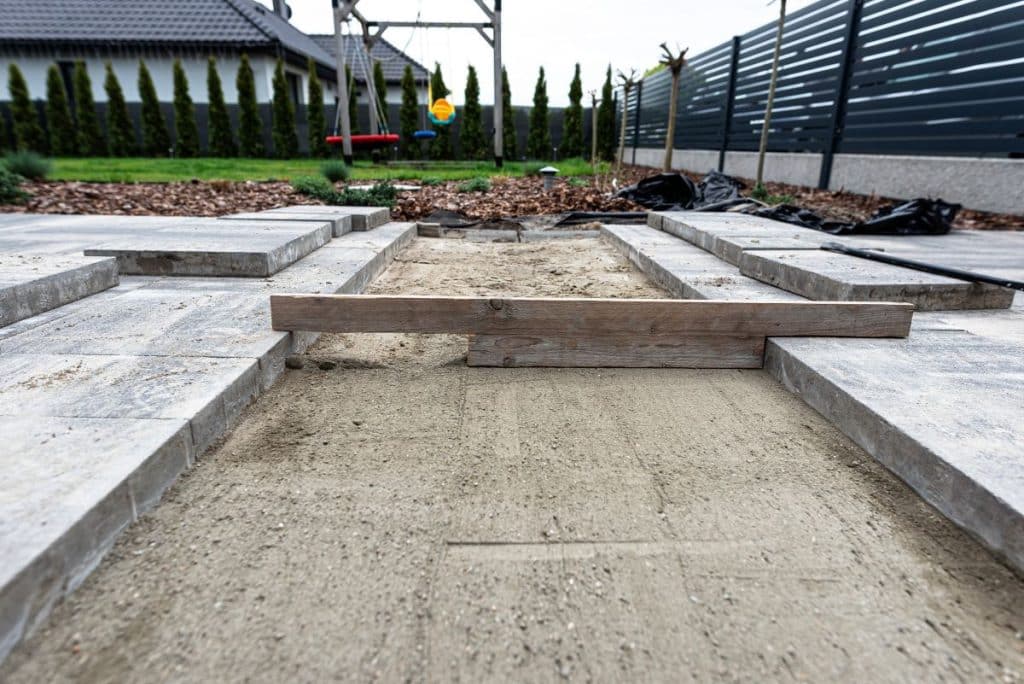
Preparing the existing paving helps create a more stable base.
- Fill large gaps with a sand and cement mix
- Compact any loose areas
- Check the paving remains level after preparation
4. Install a Bonding Agent
A bonding agent helps the new concrete adhere to the existing surface.
- Follow the manufacturer’s instructions before pouring concrete
- Apply evenly across the block paving
5. Lay a Reinforcement Mesh
Adding reinforcement helps strengthen the concrete slab.
- Position it correctly within the concrete depth to help minimise cracking
- Lay steel mesh or reinforcing fabric across the area
6. Formwork Installation
Formwork keeps the concrete contained while it cures.
- Install timber edging around the perimeter
- Check everything is square and level before pouring
7. Pour the Concrete
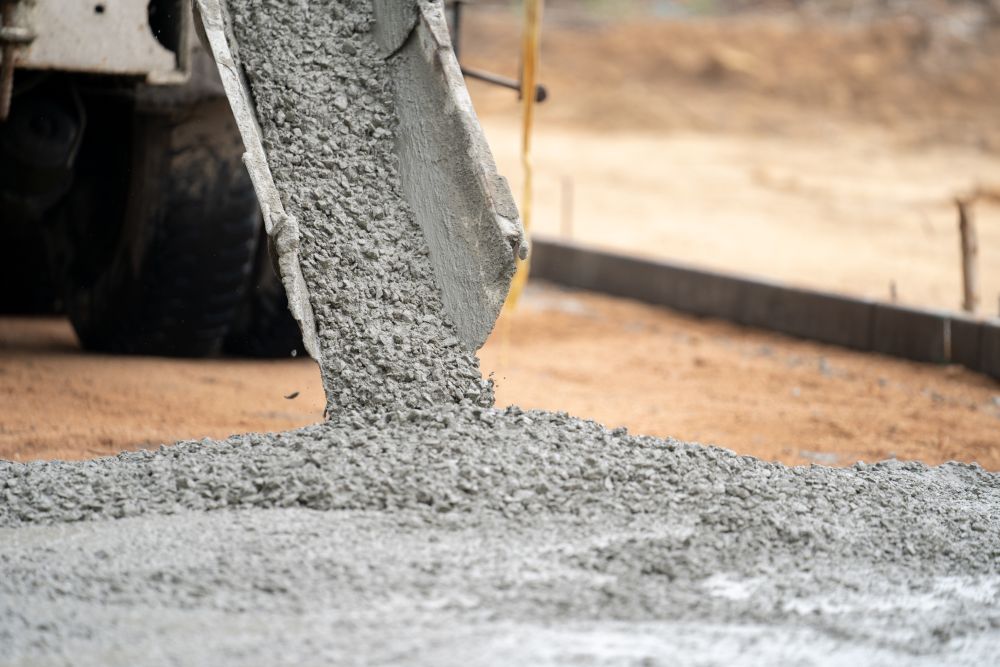
Once everything is prepared, it’s time to pour the concrete.
- Choose a concrete mix suitable for your project
- Pour evenly across the prepared area
- Level the surface using a screed
- Finish with a float or trowel for a smooth surface
- Avoid pouring during heavy rain, freezing temperatures or very hot weather where possible
8. Curing
Proper curing is essential for strength and durability.
- Keep the surface protected while it cures
- Prevent it from drying out too quickly
- Avoid walking on the concrete for at least 24-48 hours
- Leave longer before placing heavy loads on the surface
Read more about how long concrete takes to cure.
9. Final Inspection
Once fully cured, inspect the concrete for any issues.
- Address any minor defects before putting the surface into regular use
- Check for cracks or uneven areas
- Ensure water drains away correctly
Common Mistakes To Avoid
- Pouring concrete over loose or unstable block paving
- Skipping the bonding agent
- Using a concrete layer that’s too thin
- Not allowing enough curing time
- Overlooking drainage requirements
Get It Right Every Time
Pouring concrete over block paving can be a practical solution, saving time and avoiding the need to remove the existing surface. However, success depends on the condition of the paving and careful preparation before any concrete is poured.
Using high-quality concrete is just as important as preparing the base correctly. Whether you’re creating a shed base, patio, workshop floor or another outdoor surface, choosing the right concrete mix will help ensure a durable, long-lasting finish.
If you’re planning a project and need advice on the best concrete for the job, get in touch with the team at GB Concrete & Pump.
FAQs
Can you pour concrete directly over block paving?
Yes, as long as the existing block paving is stable, level and properly prepared before the concrete is poured.
How thick should concrete be over block paving?
For most projects, a concrete layer of at least 50-75mm is recommended, although heavier-duty applications may require a thicker slab.
Do you need reinforcement when pouring concrete over block paving?
Reinforcement mesh is recommended for larger areas or where the concrete will support heavier loads, helping to reduce the risk of cracking.
Is it better to remove block paving before pouring concrete?
If the block paving is loose, uneven or unstable, it’s usually best to remove it and install a suitable sub-base before pouring concrete. If it’s in good condition, it can often be used as a solid foundation.
Popular Articles


