How to Insulate a Concrete Floor Properly
While it can naturally absorb heat, concrete itself isn’t a particularly effective insulator. Without suitable insulation, heat can pass through the floor and into the ground below. Insulating a concrete floor creates a thermal barrier that reduces this heat loss and can make the internal space more comfortable.
But how do you insulate a concrete floor? Can you only insulate new flooring or can you also insulate an existing concrete floor? The process can be quite involved, so it’s important to understand how to do it and whether the insulation will go above or below the concrete. GB Concrete & Pump provide leading services for concrete floor projects across the West Midlands, and this guide will answer all your questions.
Why Should You Insulate a Concrete Floor?
Insulating a concrete floor helps prevent heat from escaping through the floor and into the ground below. This can improve the overall energy efficiency of the property and make rooms feel warmer, particularly during colder months.
Reducing heat loss can also mean less energy is needed to maintain a comfortable indoor temperature, which may help lower heating costs over time. For new builds, extensions and some renovation projects, the floor will also need to meet the relevant requirements of Building Regulations, so insulation should be considered as part of the wider floor design.
How to Insulate a Concrete Floor
There are different ways to insulate a concrete floor, and the right approach will largely depend on whether you’re constructing a new floor or working with an existing concrete slab.
Insulating a New Concrete Floor
When you’re installing a new concrete floor, insulation can be incorporated into the floor build-up from the beginning. This makes it easier to plan each layer and achieve the required finished floor height.
A typical floor construction may include a prepared and compacted sub-base, damp proof membrane (DPM), insulation, concrete slab and screed or final floor finish. However, the exact order can vary depending on the design of the floor.
Rigid insulation boards suitable for flooring are normally fitted closely together to create a continuous layer. It’s also important to consider insulation around the perimeter of the floor, as gaps around the edges can allow heat to escape.
A damp proof membrane is another important part of many concrete floor installations. This helps prevent moisture from the ground passing into the building and needs to remain continuous and undamaged throughout installation.
The general steps of insulating a new concrete floor may include:
- Applying a layer of sand to the earth base
- Installing the DPM continuously to prevent ground moisture being drawn up
- Placing suitable insulation boards over the DPM
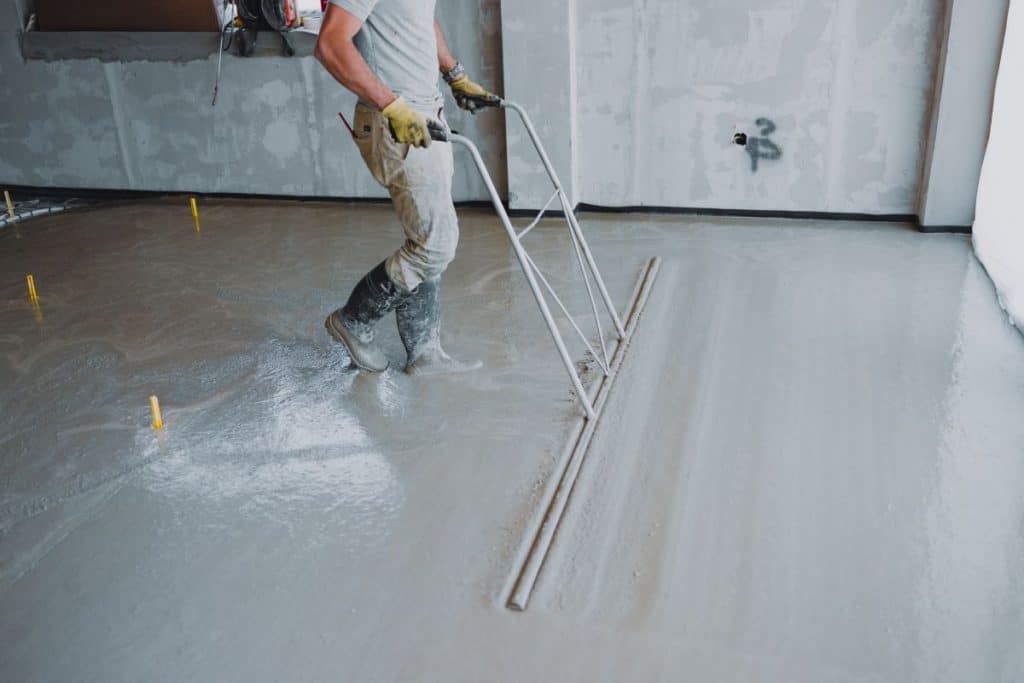
- Pouring concrete over the insulation and waiting for it to cure
Insulating an Existing Concrete Floor
Insulating an existing concrete floor can be more complicated because the slab is already in place. One option is to install suitable insulation above the existing concrete before adding the new floor covering or screed.
However, perhaps the main consideration here is additional floor height. Adding insulation above the concrete slab can raise the finished level of the floor, which may affect doors, skirting boards, stairs and the transition into surrounding rooms.
The existing concrete should also be checked before the work begins. Issues such as damp, cracking or an uneven surface may need to be addressed before insulation and new flooring are installed.
For larger renovation projects, another option may be to remove the existing floor and create a completely new floor build-up. This involves considerably more work and can add to your budget, but it allows the insulation, DPM and concrete floor to be planned together from the start.
If you choose not to remove the existing concrete slab, installing insulation above concrete generally involves:
- Checking the concrete for cracks, damp or uneven areas and addressing any issues found
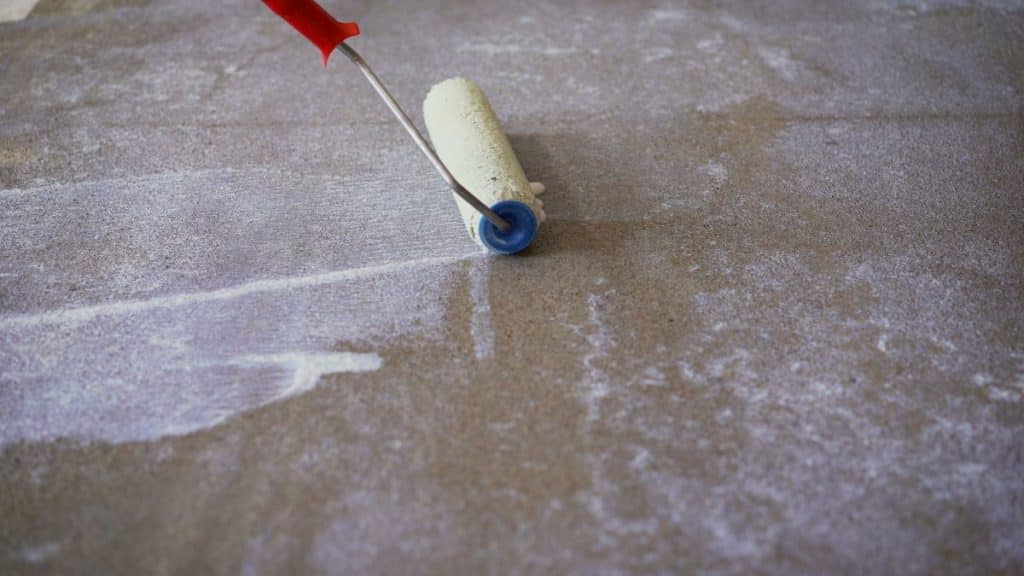
- Installing any required damp-proofing or moisture-control layer
- Installing a layer of moisture-resistant screed or chipboard
- Installing wood, carpet or another suitable final floor finish
Choosing the Right Floor Insulation
Which insulation do you choose for your concrete flooring? There are several options out there, with the right choice depending on the floor construction, available depth, required thermal performance, expected loads and whether the insulation will sit above or below the concrete. Your choice will also affect costs, as some types of insulation are more expensive than others.
One option is PIR insulation boards, which are commonly used where strong thermal performance is required without taking up excessive floor depth.
Expanded polystyrene (EPS) is another rigid insulation option used with floor constructions. Different grades are available, so the product needs to be suitable for the loads it will experience. For budget-conscious projects, EPS insulation is one of the cheapest options while still delivering good thermal performance.
Extruded polystyrene (XPS) offers good resistance to moisture and compression, making it suitable for floor constructions where those properties are particularly important.
Whichever material is chosen, don’t simply base the decision on which board is thickest. Thermal performance, compressive strength, moisture resistance, floor depth and the overall construction all need to be considered.
Common Mistakes to Avoid
A concrete floor is made up of several elements that need to work together. Even small mistakes during preparation or installation can reduce the effectiveness of the insulation and cause problems further down the line.
Don’t make these mistakes when insulating your concrete floor:
- Forgetting about damp protection: The appropriate damp proofing needs to be considered as part of the complete concrete flooring project.
- Using the wrong insulation thickness: Insulation requirements can vary between projects, so don’t assume one thickness will suit every floor.
- Leaving gaps around insulation boards: Poorly fitted boards can interrupt the insulation layer and reduce its effectiveness.
- Ignoring the edges of the floor: Inadequate perimeter insulation can create thermal bridges where heat is able to escape.
- Not accounting for finished floor height: This is particularly important when adding insulation above an existing concrete slab.
Proper planning before work starts can help avoid many of these problems.
Ready Mix Concrete and Floor Construction
Good insulation is only one part of a properly constructed concrete floor. The concrete itself also needs to be appropriate for the project and supplied in the quantity required to create a strong, reliable floor.
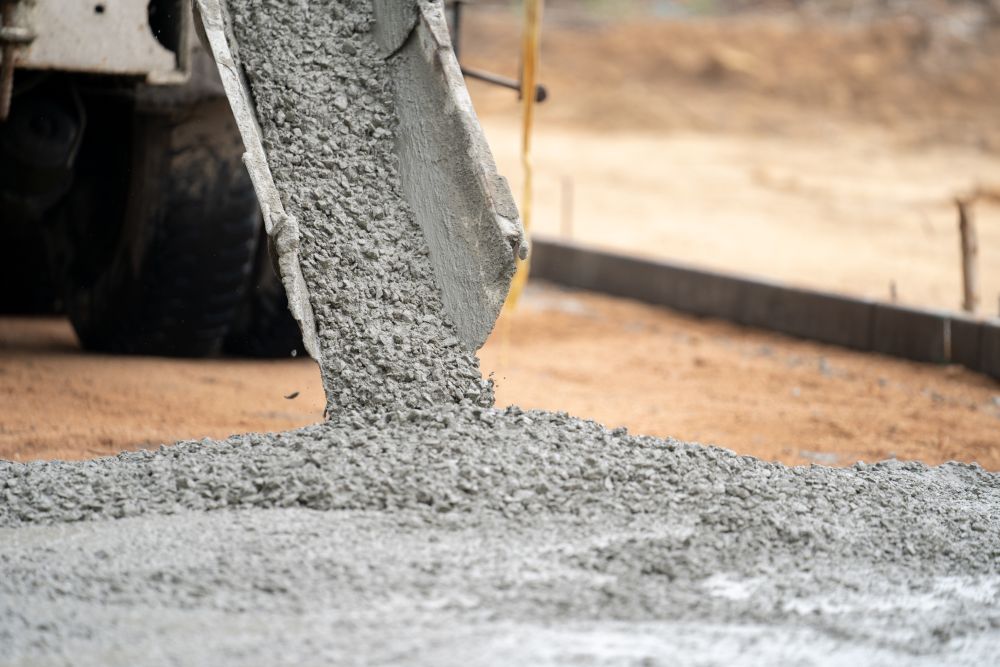
For new floor installations, ready mix concrete provides a convenient way to get concrete delivered directly to the site. At GB Concrete & Pump, we work with domestic and commercial customers across the West Midlands, supplying ready mix concrete for everything from home extensions and garages to workshops and larger commercial floors.
Getting the concrete specification and volume right can also help the project run more smoothly. Too little concrete can cause unnecessary delays, while ordering more than you need can increase waste and cost.
If you’re unsure how much concrete your floor requires, GB Concrete & Pump can talk you through your requirements and help you plan the concrete side of the project.
When Should You Get Professional Advice?
Smaller flooring jobs can sometimes be relatively straightforward, but it’s worth getting professional advice whenever you are unsure about how the floor should be constructed. Professional advice is particularly important for:
- Extensions or major renovations
- New-build properties
- Large domestic concrete floors
- Commercial and industrial floors
- Projects involving underfloor heating
- Floors that need to meet specific Building Regulations requirements
- Existing floors where damp, cracking or floor height could cause complications
Whether you’re working on a home extension, garage, workshop or larger commercial project, GB Concrete & Pump provides reliable concrete supply across Birmingham and the wider West Midlands. If you’re unsure what type or quantity of concrete you need, you can use our concrete calculator or contact us directly for advice.