Let’s Talk Concrete Mixes, Especially for Foundations

If you’ve ever wondered what goes into the perfect foundation concrete mix, you’re in good company because it’s not as simple as just pouring some grey stuff and hoping for the best.

Whether you’re laying a shed base, building an extension, or working on a full-scale commercial build, choosing the right concrete mix can make a big difference in durability and performance.

Not All Concrete Is Created Equal

People are often surprised to learn there’s more than one kind of concrete mix. You’ve got mixes for foundations, flooring, driveways, patios, you name it. For foundations, though, strength is key.

A typical foundation concrete mix will have a higher cement content and specific ratios of sand, gravel, and water to ensure it can support the load of the structure on top. We’re talking C25 and C30 grade mixes most of the time, but we can also tailor the mix depending on soil type, design specs, or even local regulations.

Here’s a quick rundown of a few popular mixes:

  • C10/C15 – Low strength, often used for kerb bedding or blinding.
  • C20 – A general mix good for domestic floors and footings.
  • C25 – The sweet spot for most foundation jobs (strong and versatile).
  • C30 and up – Used when strength and durability are top priorities, like for larger buildings or commercial foundations.

Why Mixing On Site Matters

Here’s where our volumetric truck comes in and saves the day.

Instead of ordering a generic load of concrete and hoping it’s the right amount (or worse—paying for stuff you don’t use), our volumetric truck mixes the concrete on-site. That means:

  • You get the exact amount you need – no waste, no guesswork.
  • The concrete is freshly mixed, which is always better for strength and finish.
  • We can adjust the mix on the spot if the job changes (like if the trench is deeper than expected).

Plus, you’re only paying for what you actually use. It’s efficient, flexible, and ideal for jobs where every cubic metre (and pound) counts.
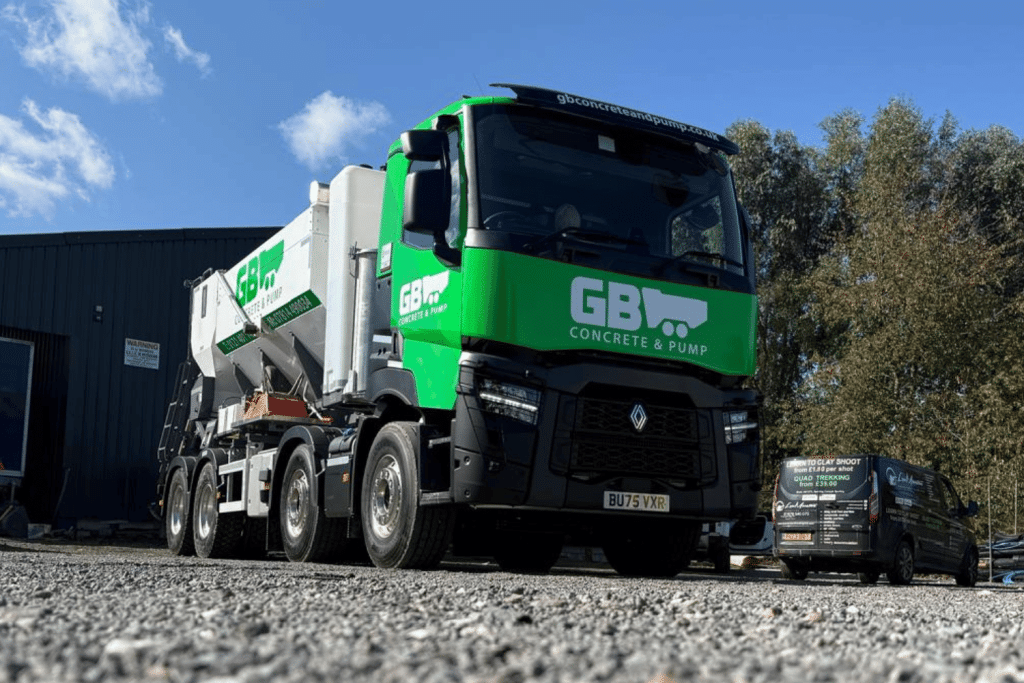
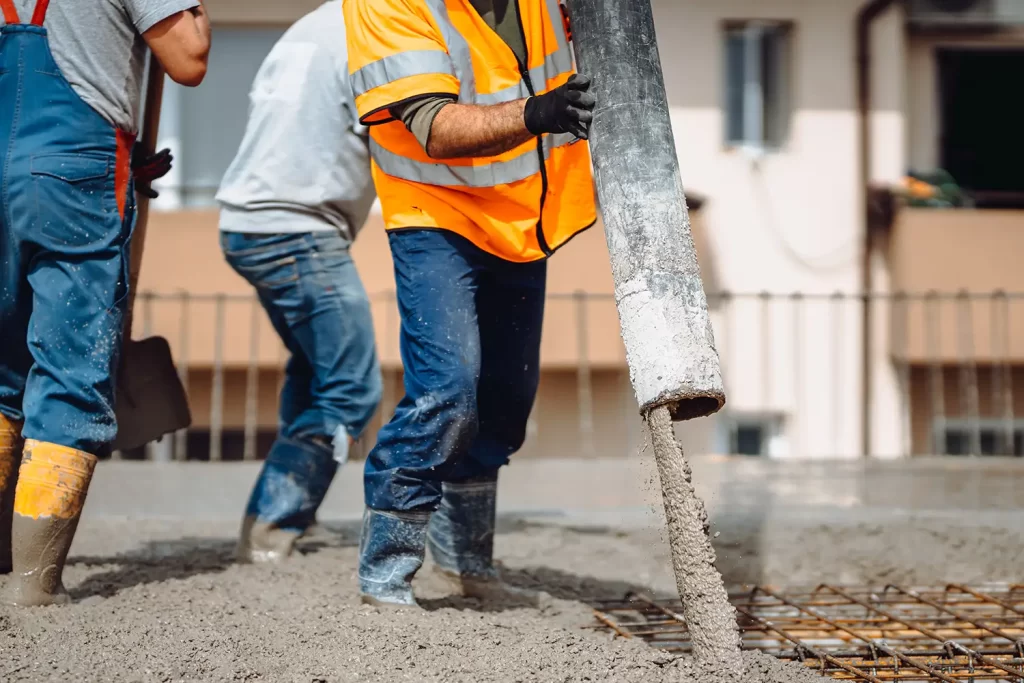
volumetric concrete

Let Us Help Lay the Groundwork

At GB Concrete & Pump, we’ve been around the block enough to know that foundations aren’t the place to cut corners. Whether you’re a builder, contractor, or DIY enthusiast, we’ll help you get the right foundation concrete mix, in the right quantity.

So if you’ve got a pour coming up and want to make sure it’s done properly (without wasting time or money), give us a shout. We’ll show up with our volumetric truck, mix exactly what you need, and help you get the job done right.

What’s the Real Cost of Ready Mix Concrete? Why Volumetric Could Save You More

If you’re planning a construction project, whether it’s a home extension, a driveway, or a commercial build, one of the first questions that comes up is: what’s the cost of ready mix concrete? It’s a fair question, but the answer isn’t always straightforward.

At GB Concrete & Pump, we’re here to shed some light on the real costs involved and why our volumetric concrete services might be the smarter, more economical choice.

The Average Cost of Ready Mix Concrete

The cost of ready mix concrete typically ranges between £100 to £130 per cubic metre, depending on location, supplier, and mix strength. However, this is just a baseline. The final price you pay can vary depending on several key factors:

  • Concrete strength: Higher-strength mixes for foundations or industrial use cost more than basic mixes for domestic projects.
  • Project size: Smaller jobs can sometimes be more expensive per unit, due to minimum load requirements or delivery surcharges.
  • Delivery distance: The further you are from the batching plant, the more you’ll pay for delivery.
  • Wastage: Traditional ready mix concrete is mixed off-site, so you need to estimate in advance how much you’ll need. If you overestimate, you pay for concrete you don’t use and if you underestimate, it can cause costly delays.

That’s where volumetric concrete offers a major advantage.

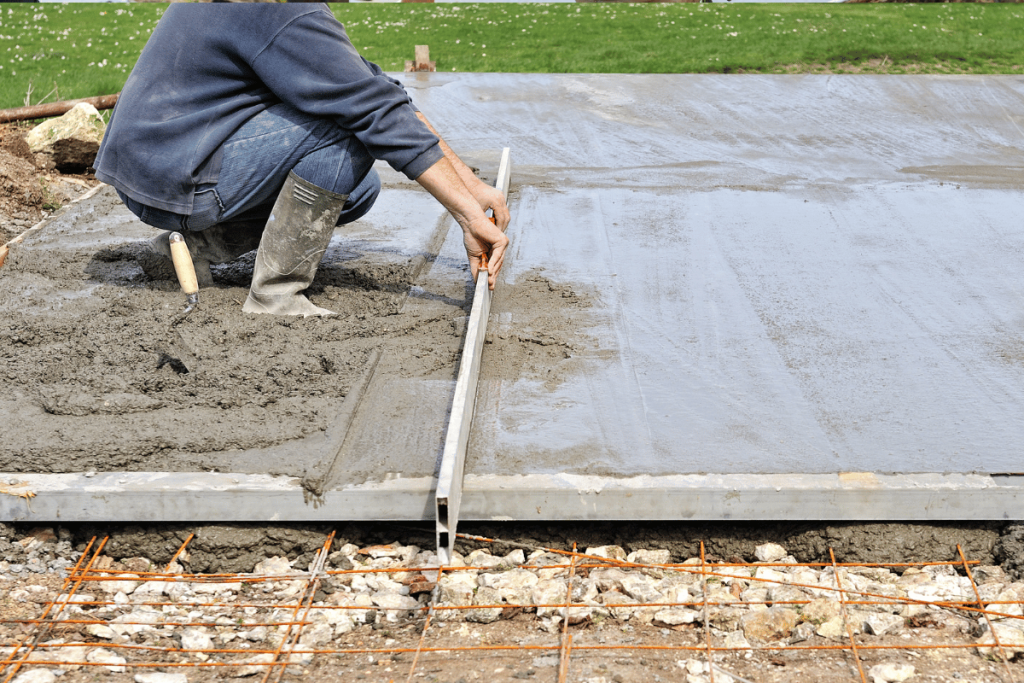
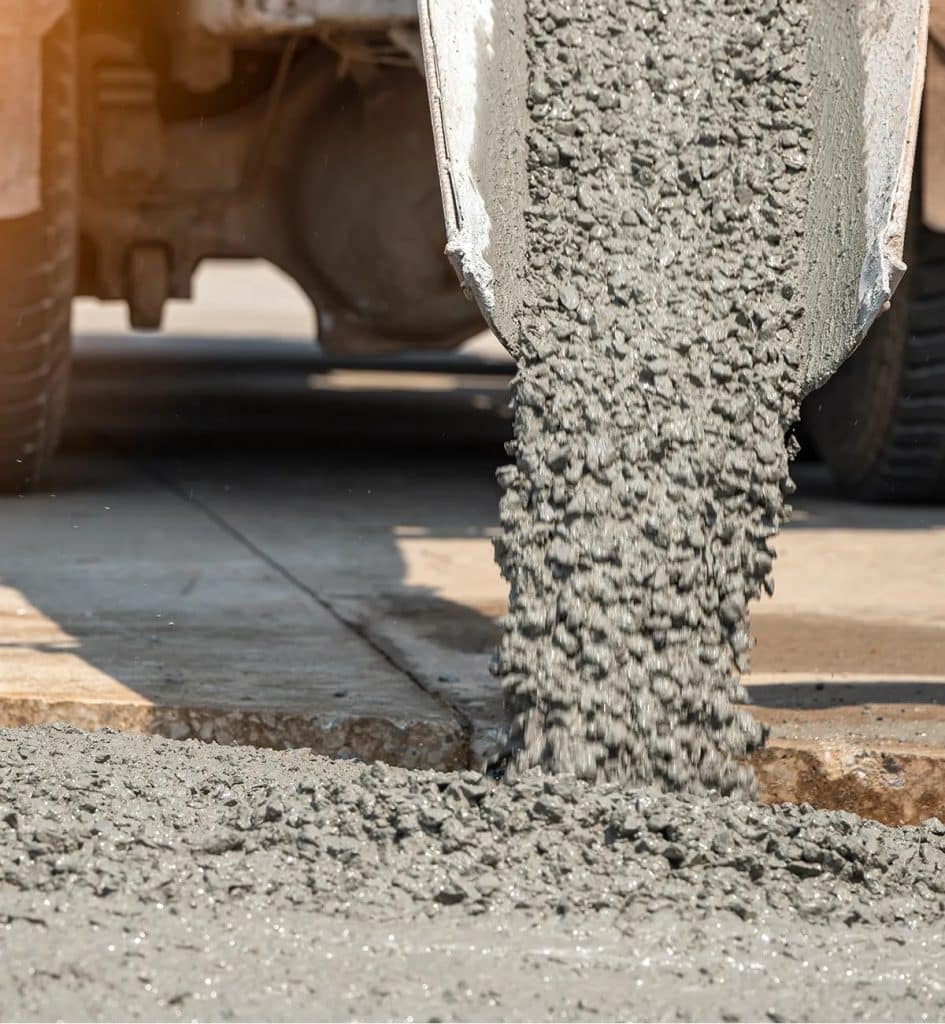
ready mix concrete

Why Volumetric Concrete Is More Cost-Effective

Unlike traditional ready mix, volumetric concrete is mixed on-site, meaning:

  • You only pay for what you use – no wastage, no over-ordering.
  • Mixes can be adjusted on the fly to suit different parts of your project (need C25 for your foundations and C35 for your driveway? No problem).
  • There’s no risk of the mix going off before it’s poured which is perfect for sites with delays or access issues.

At GB Concrete & Pump, our volumetric trucks act as mobile batching plants. We deliver the exact amount and type of concrete you need, when you need it. That means greater flexibility, zero waste, and real cost savings.

Hidden Costs of Ready Mix Concrete

Here are a few additional costs that people often overlook when choosing ready mix:

  • Part load charges for smaller orders.
  • Returned concrete fees if you order too much.
  • Waiting time charges if your team isn’t ready to pour.
  • Misestimated orders, which can lead to expensive second trips.

With volumetric concrete from GB Concrete & Pump, you avoid all of these. We give you full control over the volume and mix, and because we also offer concrete pumping, we can reach even the trickiest sites with ease – saving you on labour, time, and hassle.

Making the Smart Choice

So when you’re thinking about the cost of ready mix concrete, remember: the price per cubic metre is just part of the story. The real cost includes wasted material, delays, inflexible deliveries, and surprise surcharges.

Switch to GB Concrete & Pump’s volumetric concrete service and benefit from:

  • Only paying for what you use
  • On-site mix adjustments
  • No waste or returned load fees
  • Efficient concrete pumping
  • Fast, professional service
Concrete Pumping in Birmingham

Get a Free Quote Today

If you’re planning a project and want to know the true cost of concrete, without the hidden extras, get in touch with GB Concrete & Pump today. We have ready-mix and volumetric concrete services across the West Midlands and beyond. Find out more about the areas we serve. Our team will help you find the perfect mix for your needs and ensure you get the best value, guaranteed.

Garden Shed Base Ideas: Solid Foundations with GB Concrete & Pump

Whether you’re planning a new outdoor workspace, a stylish garden retreat, or just a reliable storage shed, one thing is essential – a solid base. At GB Concrete & Pump, we’ve helped countless homeowners and landscapers create durable, long-lasting garden shed bases using the right concrete mix and expert placement services, even in hard-to-reach spots.

In this post, we’ll walk through a few garden shed base ideas, and show how we can make the process simple, efficient, and rock-solid.

1. Concrete Slab Base – The Gold Standard

A concrete slab is by far the most popular and durable base for a garden shed. It’s strong, weather-resistant, and provides a level surface that won’t shift or settle over time.

At GB Concrete & Pump, we supply high-quality ready-mix concrete suitable for slab bases. You can choose from standard mixes or more specialised options depending on weight load, moisture levels, and intended shed use (e.g., workshops with heavy equipment).

slabs on concrete

We Can Help By:

  • Advising you on the right concrete mix for your shed size and location.
  • Delivering concrete with precision using our line pump which is ideal if the base is far from the road or access is tricky.

2. Concrete Pier (Post) Foundations – For Uneven Ground

If your garden slopes or has uneven terrain, a pier base (also known as a post foundation) can be a great solution. Concrete piers are poured into holes at key points, supporting the corners and centre of your shed. This keeps the structure level without needing to level the entire ground.

Why Use GB Concrete & Pump:

  • We provide small-batch delivery for precision pier work.
  • Our line pumps make it easy to fill deep post holes even in tight or obstructed spots.

3. Concrete with Timber Frame Overlay – A Hybrid Option

Some shed builders prefer to pour a thin concrete base as a sub-layer and then install a timber-framed floor on top. This approach offers both stability and flexibility, especially if the shed will be moved or replaced later.

Our Contribution:

  • Delivering custom concrete volumes for smaller slab pours.
  • Helping get the concrete exactly where you need it, without wheelbarrows or backbreaking labour.

4. Alternative Base Methods We Can Support

Even if you’re considering other base types like gravel, plastic grids, or paving slabs, concrete often plays a role – for example, forming an edging, stabilising posts, or creating a partial foundation to prevent movement.

We’re happy to advise on hybrid foundation systems and supply concrete in any form to suit.

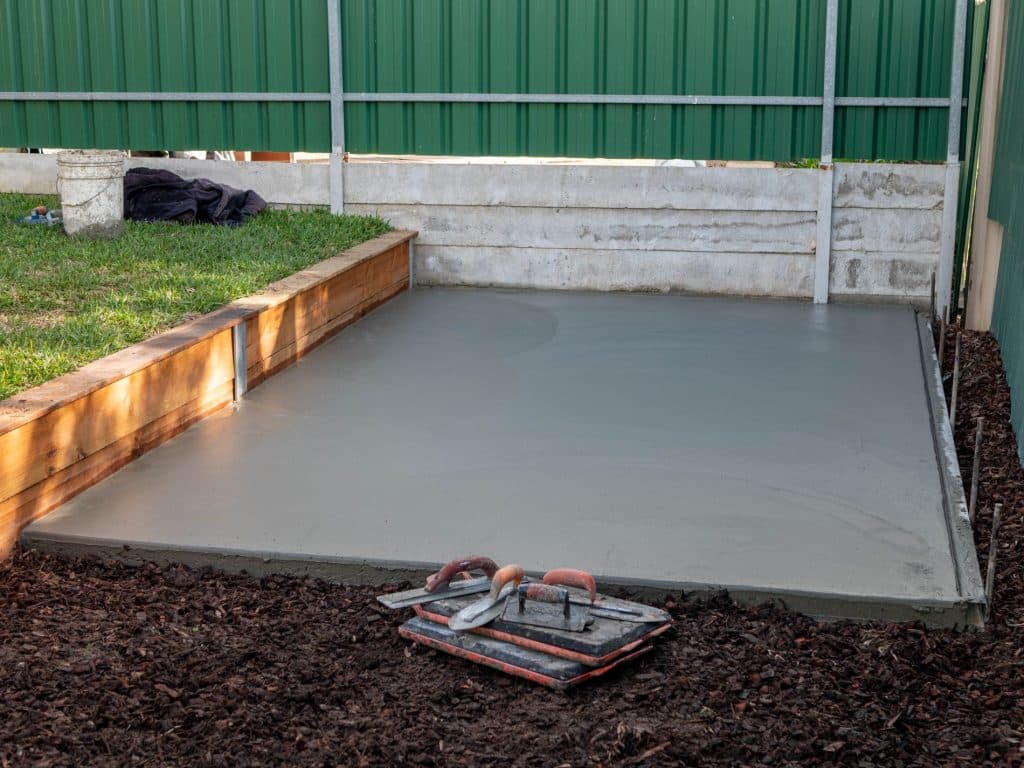
concrete shed base

Why Choose GB Concrete & Pump?

  • Expert Guidance: We help you choose the right concrete for strength, weather resistance, and load-bearing capacity.
  • Pump Access: Our concrete pump trucks make it possible to pour bases in tight gardens, behind buildings, or down long driveways.
  • Convenience: Save time and labour. Let us do the heavy lifting – literally.
  • Professional Results: A solid base means a solid shed. Our high-quality concrete ensures your structure lasts for years to come.

Get Started on Your Shed Base Today

From garden offices to potting sheds, every good structure begins with a great foundation. If you’re exploring garden shed base ideas, give GB Concrete & Pump a call. We’ll help you plan, pour, and perfect your base no matter how big, small, or awkward your space.

Contact us today for a quote or friendly advice!

What Concrete Do I Need?

When you’re starting a building or DIY project, one of the first questions that comes up is: what kind of concrete do I actually need? At GB Concrete & Pump, we get it—there are a lot of options, and it can be confusing if you’re not in the industry. So, we’ve put together this simple guide to help you figure out the right mix for the job.

Let’s Talk Concrete Grades: C15 to C40

Concrete grades are basically a way to measure how strong the concrete is after it’s had time to set (28 days, to be exact). The higher the number, the stronger the mix. Here’s a quick breakdown:

C15 Concrete

  • Strength: 15 N/mm²
  • Best for: Light domestic work like pathways, patios, and those initial blinding layers.
  • Keep in mind: This one isn’t meant for anything structural.

C20 Concrete

  • Strength: 20 N/mm²
  • Best for: Home foundations, floors, and garage bases.
  • Why choose it: Strong enough for most everyday projects around the house.

C25 Concrete

  • Strength: 25 N/mm²
  • Best for: Reinforced bases, trench fill foundations, and light commercial jobs.
  • Versatility: It’s a solid choice for both homes and smaller commercial sites.

C30 Concrete

  • Strength: 30 N/mm²
  • Best for: Driveways, roadways, and medium-duty floors.
  • Bonus: Stands up well to the elements and harsh chemicals.

C35 Concrete

  • Strength: 35 N/mm²
  • Best for: Structural work like beams, columns, and reinforced slabs.
  • Tough stuff: Great for farms, factories, or anywhere that needs extra durability.

C40 Concrete

  • Strength: 40 N/mm²
  • Best for: Big commercial jobs—think highways, heavy-duty foundations, and large-scale infrastructure.
  • Heavy-duty: This is the go-to when strength really matters.

And What About Screed?

While concrete forms your foundation, screed gives you that final, smooth layer. It’s a mix of cement and sharp sand that’s applied on top of a concrete base.

Why Use Screed?

  • To level out floors before laying tiles, wood, carpet, or any other finish.
  • To create a smooth, even surface.
  • To cover underfloor heating pipes and help spread the warmth evenly.

There are a couple of types to choose from:

  • Traditional Screed: Mixed on-site and takes a bit longer to dry.
  • Liquid Screed: Flows easily, self-levels, and dries quicker.

Still Not Sure?

No worries—we’re here to help. At GB Concrete & Pump, we offer friendly advice, quality concrete mixes, and prompt delivery with pumping services to keep your project moving.

Get in touch today to chat with our team or book your concrete delivery. Whether it’s a simple garden path or a major commercial job, we’ve got the right mix for you.

Volumetric Concrete vs Ready Mix Concrete

When it comes to concrete supply, not all solutions are created equal. At GB Concrete & Pump, we specialise in volumetric concrete and for good reason. While traditional ready mix concrete has been the go-to option for decades, volumetric concrete offers a smarter, more efficient, and cost-effective alternative.

What’s the Difference?

  • Ready Mix Concrete is batched at a central plant and delivered in rotating drum trucks. Once it’s on the road, the clock starts ticking – any delay can result in wasted product and extra costs.
  • Volumetric Concrete, on the other hand, is mixed on-site using specialised trucks. Each ingredient is stored separately and combined only when and as needed.
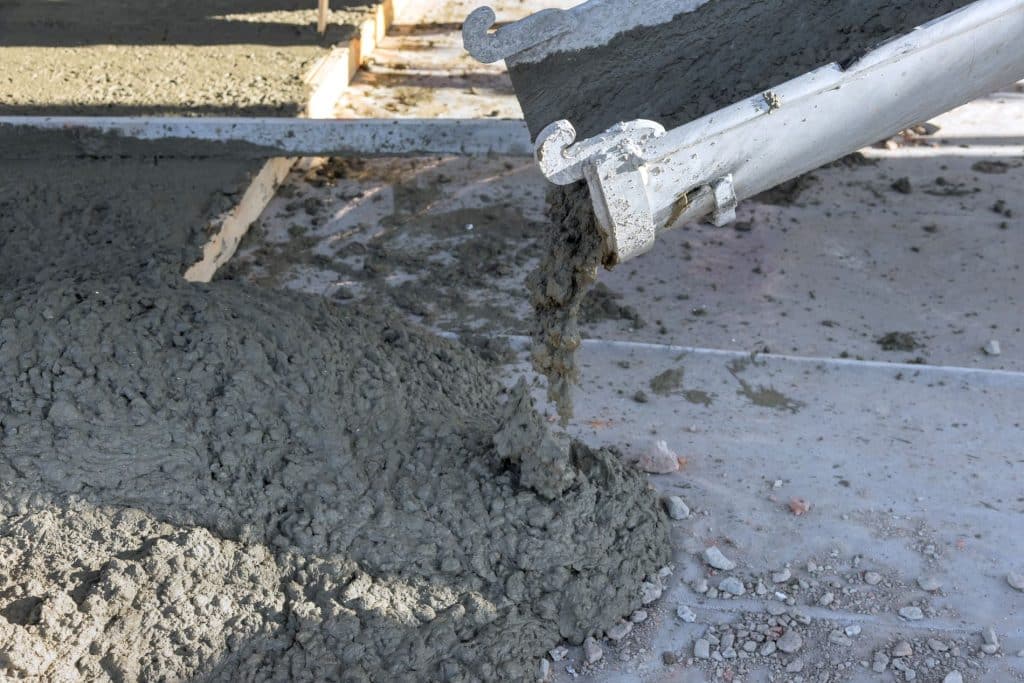
ready mix v volumetric concrete

Why Volumetric Concrete Wins

1. No Waste – You Only Pay for What You Use

One of the biggest advantages of volumetric concrete is zero waste. With ready mix, if you over-order, you’ll likely have excess concrete that can’t be used and you’ll pay to dispose of it. Under-order, and you’re stuck waiting for another batch to arrive, causing project delays.

With GB Concrete & Pump’s volumetric service, we mix exactly what you need on-site. No guesswork. No surplus. No paying for concrete that gets sent back.

2. Flexibility on the Job

Conditions on-site can change fast. Whether you suddenly need more or less material, volumetric trucks adapt in real time. This flexibility simply isn’t possible with ready mix, where once it’s batched, the ratio is fixed.

3. Fresh Mix, Every Time

Because volumetric concrete is mixed on-site, it’s always fresh. This means better quality and performance for your pour, compared to ready mix which may sit in a drum for hours before it arrives.

4. Environmentally Friendly

Less waste means a smaller environmental footprint. With volumetric concrete, you’re only producing what’s required, reducing the amount of raw material used and minimising unnecessary transportation.

Why GB Concrete & Pump?

At GB Concrete & Pump, we’re committed to delivering the most efficient and cost-effective concrete solution for your project. Our volumetric fleet ensures you receive the highest quality mix, with total flexibility and no hidden costs.

Want to learn more? Get in touch with us to find out more about how we can help with your project.

Common Concrete Problems in the Summer — and How We Help You Avoid Them

Let’s be honest — summer is a great time to get concrete work done, but it also comes with a few quirks. Hot weather, fast drying times and surprise rainstorms can all mess with a good pour if you’re not prepared.

At GB Concrete & Pump, we’ve seen what happens when summer concrete goes wrong — and we’ve built our entire process to make sure that doesn’t happen to you.

Whether you’re planning a new driveway, patio, or foundation, here’s what you need to know about the most common summer concrete problems — and how we keep things running smoothly.

1. 

Concrete Cracking Too Soon (aka the “spiderweb surprise”)

The problem:

In hot, dry weather, concrete can dry too fast. That quick surface drying leads to shrinkage cracks — and while some cracking is normal, too much of it (especially too early) is a red flag.

How we prevent it:

We adjust the mix and control the timing. Our crew keeps an eye on weather conditions and uses water-reducing agents, curing compounds, or even shade if needed. It’s not just about pouring — it’s about managing that concrete every step of the way.


2. 

Curing Too Fast in the Heat

The problem:

Concrete needs time to cure slowly so it can reach its full strength. If it dries out too fast, it gets weaker — and no one wants a flimsy slab.

How we prevent it:

We use proper curing techniques like keeping the surface moist, covering it with blankets or plastic, or applying a curing compound. It’s like sunscreen for your concrete — a little protection goes a long way.


3. 

Surface Scaling or Dusting

The problem:

When concrete sets too fast or isn’t finished correctly in hot weather, the surface can flake or powder. That means your driveway or patio might look fine at first… until it starts wearing down.

How we prevent it:

We never rush the finish. Timing is everything with concrete, and our crew knows exactly when to trowel, broom, or float for a strong surface that lasts.


4. 

Surprise Summer Showers (a classic)

The problem:

You’d think it’d be easy to avoid rain in the summer — but we’ve all seen the forecast change five minutes after a pour starts. Rain on fresh concrete can cause pitting, uneven textures, and even weaken the top layer.

How we prevent it:

We always check and double-check the forecast. And if there’s any chance of rain, we’re ready with tarps, covers, and quick communication to pause or protect the pour. If it’s not the right time to pour, we wait — simple as that.


5. 

Concrete “Burns” (Overworking in the Heat)

The problem:

Finishing concrete too soon or overworking the surface in hot conditions can trap water and ruin the finish — especially if the top dries before the rest of it settles.

How we prevent it:

This comes down to experience. Our team knows how to read the slab, not just the clock. We pace the job to the conditions — not the other way around.


You Deserve Concrete That Lasts — Even in Summer

Here’s the bottom line: concrete is a long-term investment. Whether it’s holding up your house, your driveway, or your new patio, you want it done right — especially when the sun is blazing and time is tight.

At GB Concrete & Pump, we’ve spent years learning how to work with the summer, not against it. We know what to watch for, what to adjust, and how to make sure your project looks great and holds strong for years to come.

Let’s build something solid this summer — no cracks, no surprises.