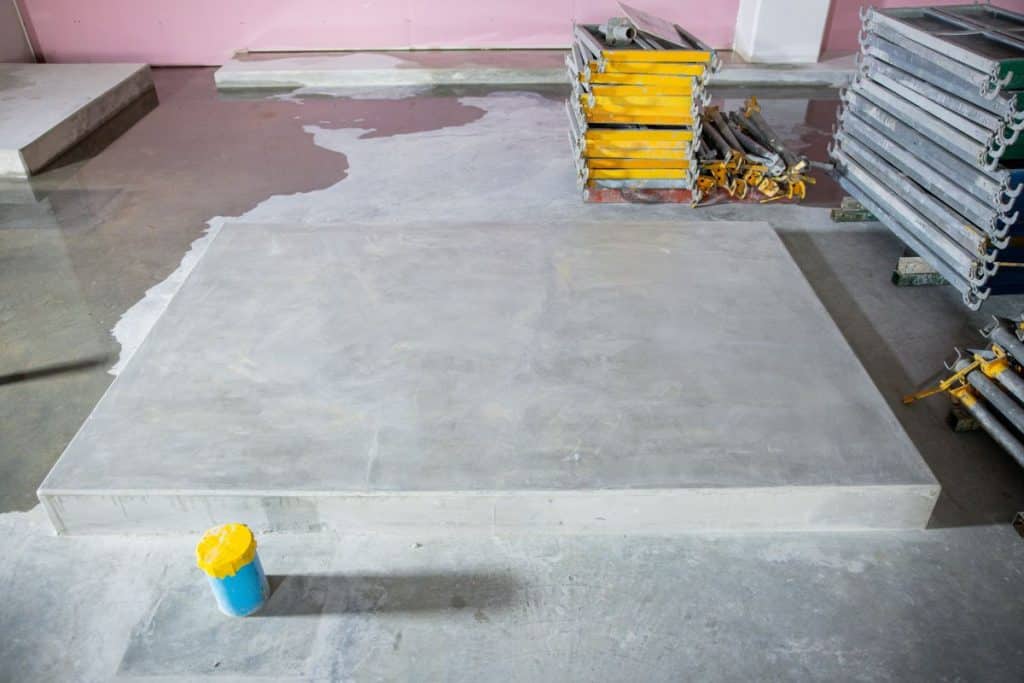
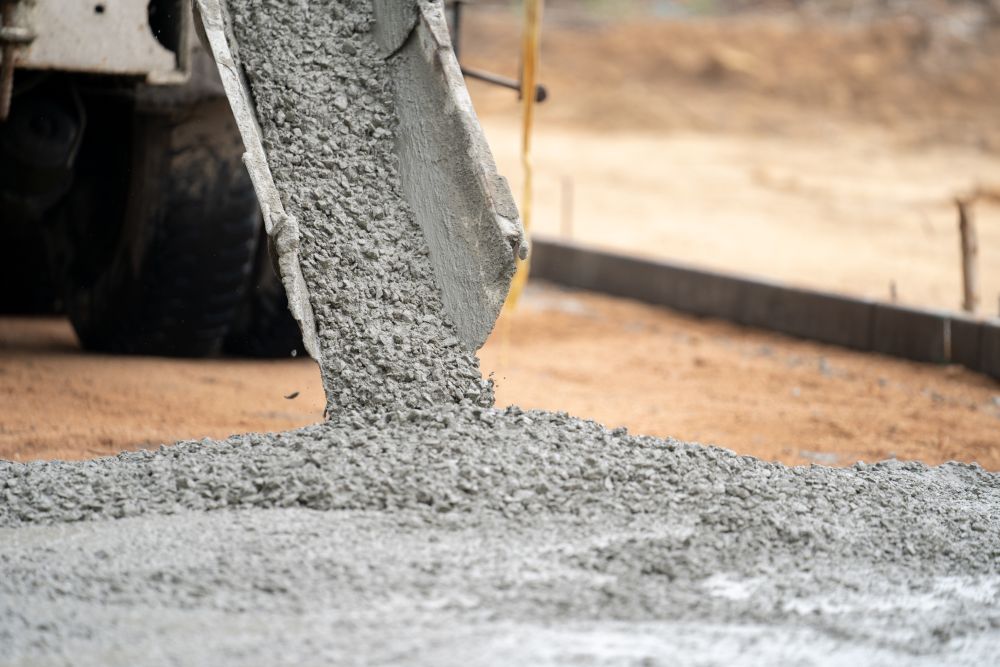
Working Out a Concrete Price per m³: A Guide from GB Concrete & Pump

When you’re planning a construction project, one of the most important considerations is the cost of concrete. Whether you’re laying the foundation for a house, driveway, or industrial structure, understanding how to calculate the price of concrete per cubic meter (m³) can save you both time and money. If you are comparing supply options, the cost of ready mix concrete will depend on the volume, mix specification, delivery and site requirements.

At GB Concrete & Pump, we take pride in helping you get the most accurate and cost-effective concrete pour by mixing directly on-site, ensuring that you only pay for what you use.

1. How to Calculate the Price of Concrete per m³

To calculate the cost of concrete per m³, you need to take into account several factors:

1. Volume of Concrete Required

The first step is to determine how much concrete you need. Measure the area in square meters (m²), and multiply by the depth (in meters) to get the volume in cubic meters. For example, if you’re laying a slab that measures 5m x 4m at a depth of 0.2m, the volume would be:

   5m (length) x 4m (width) x 0.2m (depth) = 4m³

2. Concrete Type and Grade

   The type of concrete you use plays a crucial role in pricing. There are different mixes, each suited to specific applications. The most common grades include:

   – C10 to C20: Ideal for footings, domestic floors, and foundations.

   – C25 to C30: Often used for reinforced foundations, driveways, and roadways.

   – C35 and above: Typically used in industrial applications like structural supports and heavy-duty floors.

Higher grades of concrete are stronger and more durable but will typically cost more due to the increased cement content and the addition of other materials such as fibres or chemical admixtures.

3. Additional Costs

  • Delivery Charges: If concrete is delivered to your site by a traditional mixer truck, there may be additional fees for distance, time on-site, or partial loads.
  • Waste or Overuse: Ordering more concrete than you need can lead to unnecessary costs. Traditional suppliers often sell in fixed quantities, meaning you’ll pay for full loads regardless of how much you actually pour. This is where our volumetric concrete services come in, as you only pay for what you use.

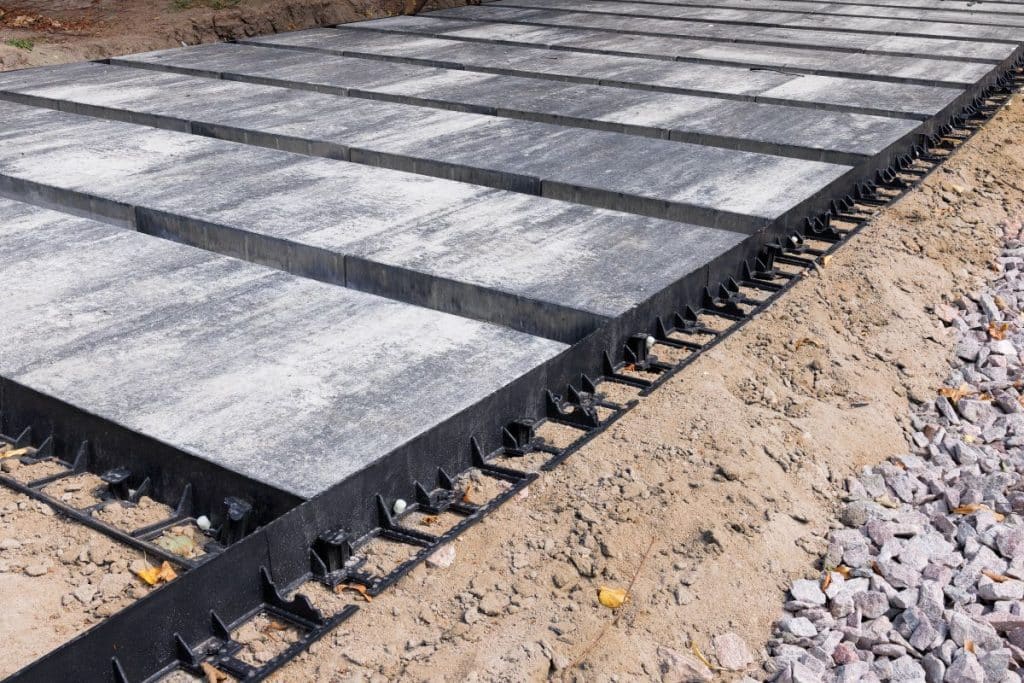
calculate concrete price

2. How Concrete Type Affects the Price per m³

As mentioned, the type and grade of concrete you choose directly impacts the cost per m³. For instance:

– Lower Grade Concrete (C10-C20*: These are generally cheaper options and suitable for lighter applications like garden patios or shed bases. The cost per m³ for these mixes tends to be lower due to fewer additives and less cement.

– Mid-Range Concrete (C25-C30): These grades are more versatile and commonly used for domestic projects like driveways or floors that need to withstand more weight. Because of the higher strength, the cost per m³ increases.

– High-Strength Concrete (C35 and Above): These mixes are used for projects where maximum durability is needed, such as in commercial or industrial applications. High-strength concrete typically has a higher cement content and may include other materials, increasing the price.

Still not sure? We can help you determine the right mix for your project, ensuring you’re not overpaying for a higher grade than necessary. Check out our concrete calculator by clicking here.

3. Why We Mix On-Site for the Most Accurate Pours

One of the biggest advantages of working with GB Concrete & Pump is that we mix all of our concrete on-site. Here’s why that matters for your project:

  • Pay for What You Use: Mixing on-site ensures you only pay for the exact amount of concrete you need. Unlike traditional methods where you’re charged for preset quantities, we can adjust the mix on the spot. This eliminates waste and saves you from paying for unused concrete.
  • Customised Mixes: Because we mix on-site, we can tailor the concrete to the precise requirements of your project. Need a bit more strength or flexibility? We can adjust the ingredients in real-time, giving you a custom solution without having to order different loads.
  • Efficient Pouring Process: Mixing on-site also allows us to work at your pace. You won’t have to rush to unload an entire truck of pre-mixed concrete within a tight timeframe. This reduces stress and ensures that every part of the job is done properly and efficiently.
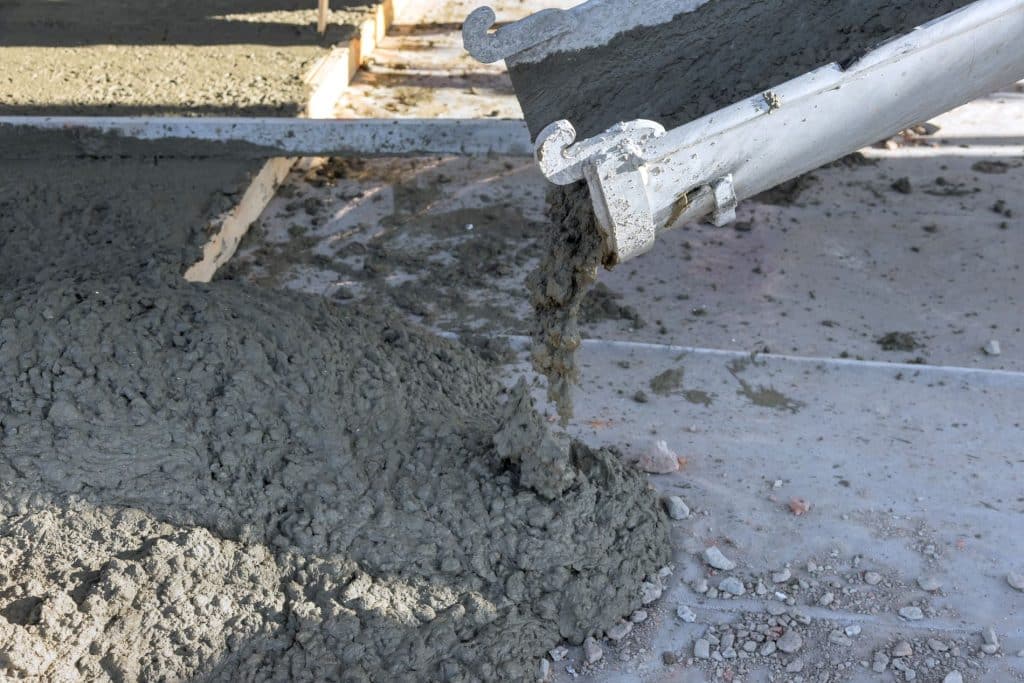
mixing concrete on site

Get the Best Value for Your Project

Calculating the price of concrete per m³ can seem complex, but with the right approach and an understanding of the variables involved, it becomes much easier to plan your project effectively. At GB Concrete & Pump, we take the guesswork out of the process by offering on-site mixing, tailored concrete solutions, and transparent pricing.

For your next construction project, whether it’s a small garden path or a large commercial build, trust GB Concrete & Pump for quality, precision, and value. Get in touch with us today to discuss your concrete needs or for a free, no-obligation quote.

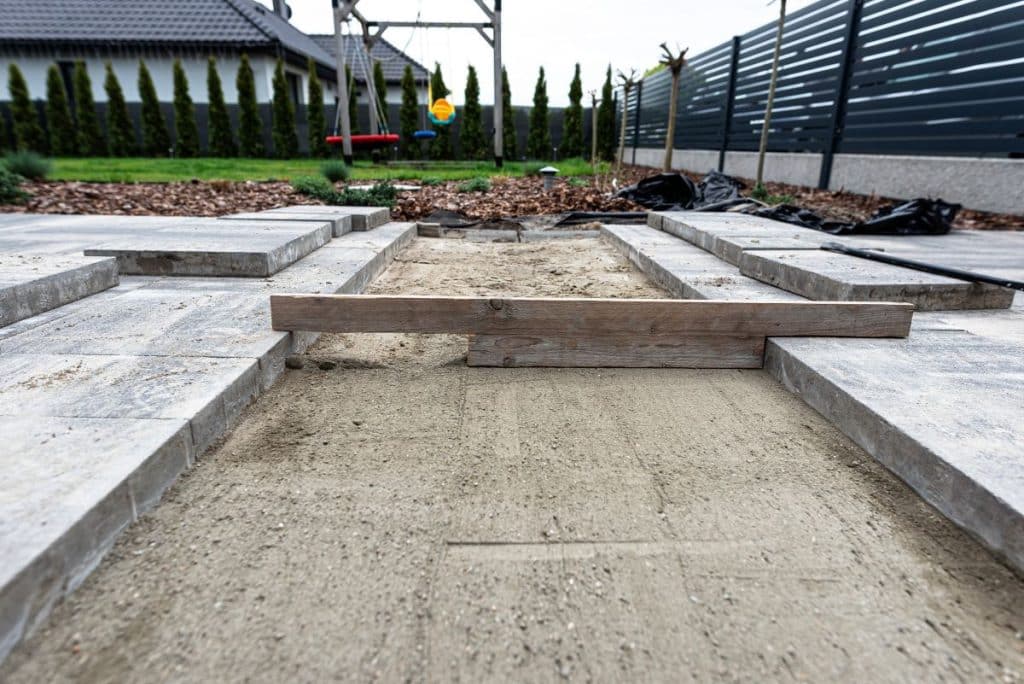
How to Lay Slabs on Concrete: A Step-by-Step Guide

Laying slabs on concrete is an excellent way to create a durable and aesthetically pleasing surface for patios, pathways, or driveways.

However, to achieve a professional finish that stands the test of time, it’s crucial to follow the right steps and pay close attention to the condition of the concrete base. Whether you’re in Birmingham or across the Midlands, can help with high-quality concrete solutions for domestic and commercial projects.

Step 1: Check the Quality of Your Concrete Base

Before you start laying slabs on concrete, it’s essential to assess the quality and condition of the concrete. A solid, level foundation is key to the longevity and stability of your slabs. If the concrete is cracked, uneven, or damaged, repair it first.

Using a damaged or weak base will compromise the integrity of your slabs, leading to cracking and movement over time. We recommend making sure the surface is clean and free of debris for the best results.

If you’re planning a new base installation, using high-quality ready mix concrete can help create a stronger and more reliable foundation.

Step 2: Prepare the Concrete Surface

To ensure your slabs adhere to the concrete, you need to create a bonding surface. Start by cleaning the concrete thoroughly with a pressure washer.

Once dry, apply a bonding agent specifically designed for concrete surfaces. This helps the mortar adhere properly, ensuring your slabs remain secure.

Our professional concrete delivery services can help ensure the correct concrete mix is supplied for your specific paving project.

laying paving slabs on concrete

Step 3: Mix and Apply Mortar

Create a thick, workable mix of mortar using one part cement to four parts sand. Spread a generous layer of mortar onto the concrete, covering enough area to lay one slab at a time.

Use a trowel to level the mortar, ensuring an even bed for the slabs.

For larger projects or areas with limited access, concrete pumping services can make concrete placement faster, cleaner, and more efficient.

Step 4: Lay the Slabs on Concrete

Carefully place each slab on the mortar bed, pressing down evenly to set it in place.

Use a spirit level to check that each slab is level and aligned with the surrounding slabs. Maintaining consistent spacing between slabs will also help achieve a cleaner and more professional finish.

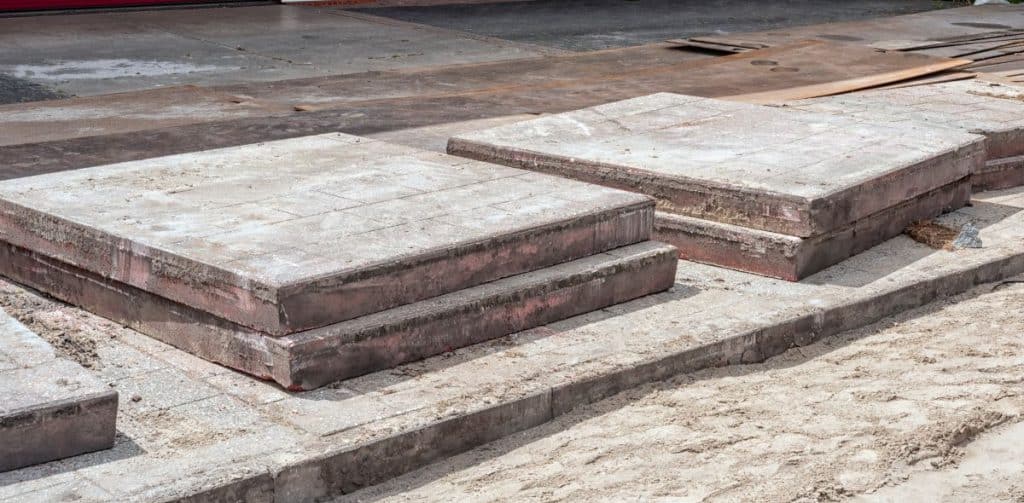
laying slabs on concrete

Step 5: Finishing Touches

Once all the slabs on concrete are laid, leave them to set for 24-48 hours. Afterward, fill the joints between the slabs with a mixture of sand and cement or a flexible joint filler for a professional finish.

By following these steps and ensuring your concrete base is in top condition, you’ll create a long-lasting surface with beautifully laid slabs that enhance your space. GB Concrete & Pump can supply high-quality concrete to help you achieve the perfect foundation for any slab-laying project.

Contact GB Concrete & Pump Today

Need concrete for your next paving or landscaping project?

We provide:

  • Ready mix concrete
  • Fast and reliable concrete delivery
  • Concrete pumping services
  • Concrete for patios, driveways, and slab bases
  • Expert advice for domestic and commercial projects

Contact GB Concrete & Pump today for a free quote and expert guidance on the right concrete solution for your project.

Mapped: The Toughest Areas to Get Planning Permission

Whether you’re working on a development project, paving your front garden or extending your home, you may need to get planning permission. After all, your local council will need to assess the potential impact on the surrounding area and ensure that your project complies with relevant regulations. However, certain areas have different planning constraints that can make it difficult to get applications green-lit. In some cases, the local community may simply disapprove of your plans.

That is why GB Concrete & Pump, with our expertise in volumetric concrete and on-site concrete pumping have identified the toughest areas to secure planning permission. Read on for the full lowdown.

Regions With the Lowest Approval Rate

1. London

London has the lowest approval rate in the country, with only 72.36 applications granted out of every 100 received. This is quite concerning given that London accounts for 56% of England’s total number of homeless households in temporary accommodation, with a 10% rise between April 2023 and April 2024. With fewer homes being built, this increases competition, driving up rents and house prices, ultimately making it even harder for vulnerable people to find stable housing.

Projects in London often rely on on-site concrete pumping and volumetric concrete systems to meet tight timelines and limited space, giving developers the flexibility to progress work even in areas with challenging planning conditions.

2. East of England

Following closely behind London is the East of England, which has the second-lowest approval rate, with 78.71 applications approved per 100 received. Reports suggest that the East of England also has a lack of affordable housing, with thousands of families in unsuitable temporary housing. The lower rate of planning approvals makes it challenging to meet the region’s growing housing needs.

Here, efficient concrete delivery services are essential for developers to stay on schedule and navigate the extra scrutiny that planning constraints bring.

3. North West

Similarly, the North West also grapples with a shortage of affordable housing and rising rents. While the approval rate exceeds 80 at 80.45 applications granted per 100 received, it is relatively lower than other regions in the North.

Using volumetric concrete solutions, developers can produce the right mix on-site, avoiding delays that could result from planning hold-ups or restricted delivery times.

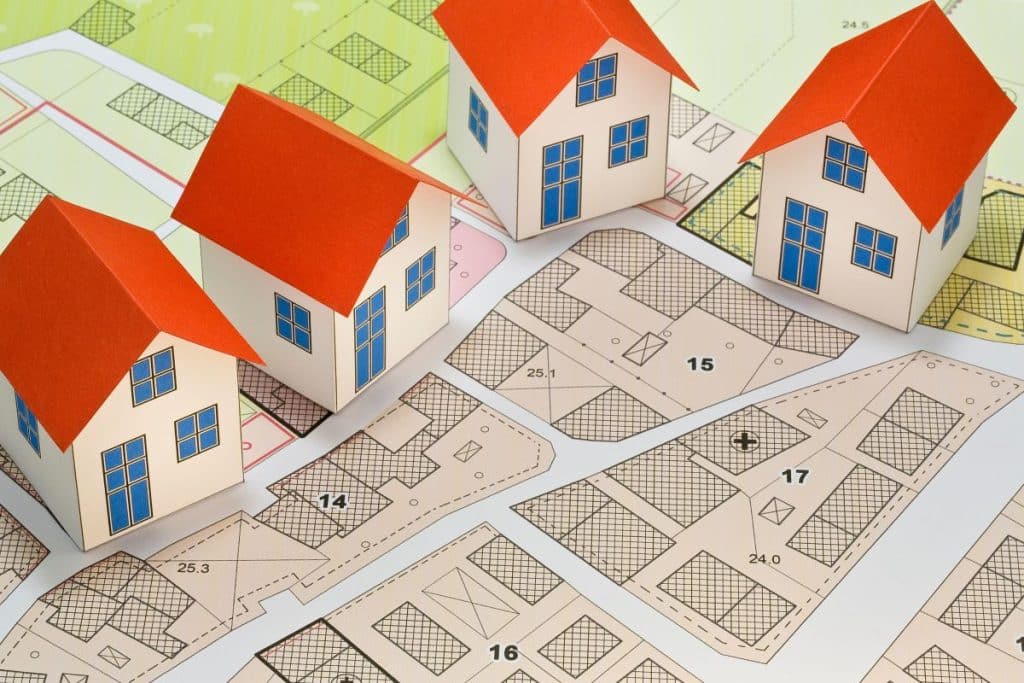
planning permission

Regions With the Highest Approval Rate

1. North East

The North East has been named the cheapest region in England to buy a home, so it makes sense that it has the highest rate of planning applications granted, with 85.42 approvals for every 100 applications received.

2. South West

The South West ranks as the second-best region for planning applications, with 83.33 applications approvals for every 100 received.

3. Yorkshire and the Humber

Yorkshire and the Humber ranks as the second cheapest region in England for people looking to purchase property and our research shows that it takes the third spot when it comes to planning permission, with 82.84 applications approved per 100 received. 

What is the Approval Rate in the West Midlands?

In the West Midlands, 81.53 out of 100 planning applications are approved, meaning almost 20% are rejected. This shortage of housing development adds to the ongoing crisis, leaving many people in unstable housing and making waiting lists for social homes even longer. 

Research suggests that, in the next two decades, at least 127,600 new homes need to be built in Birmingham to keep up with the demand for housing. With planning approvals at the current rate, it is unclear how the pressure on residents and local authorities will ease.

The Takeaway

In response to the findings, a spokesperson at GB Concrete & Pump says: “Our research highlights a worrying housing gap across England. London and the East of England, which have some of the highest housing demand in the country, have the lowest approval rates. This disparity is concerning as it suggests that regions with the most acute housing needs are struggling to increase housing supply at a rate comparable to other areas. This may worsen existing inequalities by making it even harder for people in high-demand areas to access affordable housing.”

To identify the areas where people struggle to get planning applications green-lit, the team analysed planning application statistics from the Ministry of Housing, Communities and Local Government, covering the period from July 2020 to June 2024. To allow for comparison between regions, the data was normalised and presented as the number of applications granted per 100 applications received.

Ready to get your project moving, no matter the planning challenges? Whether you need on-site concrete pumping, next day delivery, or volumetric concrete, GB Concrete & Pump has the expertise and equipment to make it happen. Get in touch with us to find out more.

How to Choose the Right Concrete Mix for Your Project

When embarking on a construction project, one of the most critical decisions you’ll make is choosing the right ready mix concrete. Whether you’re laying a foundation, building a patio, or constructing a driveway, the type of concrete you use can significantly impact the durability and appearance of your project.

At GB Concrete & Pump, we understand that selecting the right mix can be daunting, so we’ve put together this comprehensive guide to help you make an informed choice.

Understanding Concrete Mix Basics

Concrete is a versatile material made from a blend of cement, water, and aggregates (such as sand and gravel). The proportions of these components and the inclusion of additives determine the properties of the concrete mix. Here are some key factors to consider when selecting a concrete mix:

1. Strength Requirements

Different projects require different levels of strength. Concrete strength is measured in pounds per square inch (psi). For example:

  • Residential Driveways: Typically, a mix with a strength of 3,000 to 4,000 psi is sufficient.
  • Commercial Floors: These may need a mix with a strength of 4,000 to 5,000 psi.
  • Structural Foundations: Higher strengths of 5,000 psi or more might be necessary.

   Assess your project’s load-bearing needs to choose the appropriate strength.

2. Exposure Conditions

Concrete exposed to harsh conditions, such as extreme temperatures, moisture, or chemicals, needs special considerations:

  • Freeze-Thaw Cycles: In colder climates, use mixes with air-entraining agents to resist damage from freeze-thaw cycles.
  • Chemical Exposure: For areas exposed to chemicals, such as industrial floors, opt for mixes with specific additives for chemical resistance.

3. Workability and Finish

The workability of concrete affects how easily it can be mixed, placed, and finished. If you’re working on intricate designs or tight spaces, a mix with higher workability may be necessary. Commonly, this is achieved by adjusting the water-cement ratio or using plasticizers.

4. Aesthetic Considerations

Concrete can be customized to achieve various finishes and appearances:

  • Colour: Add pigments to achieve a range of colours.
  • Texture: Use stamping or troweling techniques for different textures.
  • Exposed Aggregate: For a decorative finish, expose the aggregate by washing off the top layer of cement paste.

5. Setting Time

Depending on your project timeline, you may need concrete with specific setting times:

  • Fast-Setting Concrete: Ideal for projects requiring quick turnaround.
  • Regular-Setting Concrete: Suited for standard construction timelines.
ready mix v volumetric concrete

Choosing the Right Concrete Mix for Specific Projects

Here’s a breakdown of common projects and the recommended concrete mixes:

  • Residential Driveways: A standard mix of 4,000 psi with good workability and resistance to outdoor conditions is usually sufficient.
  • Patios and Walkways: A mix with 3,500 psi strength is generally adequate. Consider adding colour or texture to enhance appearance.
  • Foundation Walls: Use a high-strength mix (5,000 psi or more) to ensure structural integrity.
  • Commercial Floors: Opt for a durable mix with a strength of 4,000 to 5,000 psi, and include additives to improve performance under heavy use.

Get Concrete Advice From The Experts

While this guide provides a solid foundation, consulting with a concrete professional like GB Concrete & Pump can ensure you get the perfect mix for your needs. We offer expert advice and can tailor recommendations based on your project’s specific requirements and local conditions.

Choosing the right concrete mix is crucial for the success of your project. By understanding your needs and consulting with professionals, you can ensure your concrete work stands the test of time, performs well, and looks great.

For more information or personalised advice, don’t hesitate to contact us at GB Concrete & Pump. We’re here to help you achieve outstanding results in every project.

Should I seal a Concrete Slab?

Sealing a concrete slab can be beneficial in many scenarios. A quality concrete sealer helps protect the surface, improve durability, and maintain the appearance of the slab over time.

Benefits of Sealing a Concrete Slab

1. Protection Against Stains

Sealing helps protect the concrete from stains caused by oil, grease, chemicals, and other substances, making it easier to clean and maintain.

If you’re planning a new slab installation, using high-quality ready mix concrete can also help improve long-term performance and finish quality.

2. Water Resistance

Sealed concrete is less porous, which means it is more resistant to water penetration. This can prevent damage from freeze-thaw cycles in colder climates, which can cause cracking.

Professional concrete delivery ensures the correct concrete mix is supplied for the conditions and intended use of your slab.

sealing a concrete slab

3. Durability and Longevity

Sealing a concrete slab can enhance its durability and extend its lifespan by protecting it from wear and tear.

For larger pours or areas with restricted access, concrete pumping services can help place concrete efficiently and accurately while reducing disruption on-site.

4. Improved Appearance

Sealing can enhance the appearance of the concrete by adding a glossy finish and enriching the colour, if the concrete is stained or coloured.

5. Dust Reduction

Sealing can reduce the amount of dust produced by the concrete, which is especially beneficial for indoor spaces like basements and garages.

6. Mould and Mildew Prevention

By reducing moisture penetration, sealing can help prevent the growth of mould and mildew on the concrete surface.

concrete slab sealing

Things to Consider Before Sealing Concrete

While sealing a concrete slab offers many advantages, there are several factors to consider before applying a sealer.

Cost

Sealing adds an additional cost to the project, both in terms of materials and labour if you hire a professional.

Maintenance

Sealed concrete will require reapplication of the sealant periodically, depending on the type of sealant used and the amount of traffic the area receives.

Surface Preparation

Proper surface preparation is crucial for the sealant to adhere properly. This might involve cleaning, repairing cracks, and ensuring the surface is dry.

In summary, while sealing a concrete slab is generally beneficial, the decision should be based on the specific conditions and requirements of your project. For high-traffic areas, places exposed to harsh weather, or spaces where appearance and cleanliness are important, sealing is often a good investment.

Is Sealing a Concrete Slab Worth It?

In most cases, sealing a concrete slab is a worthwhile investment. It is especially beneficial for:

  • High-traffic areas
  • Outdoor concrete exposed to harsh weather
  • Garages and driveways
  • Decorative or coloured concrete
  • Areas where cleanliness and appearance are important

By sealing concrete, you can improve protection, reduce maintenance, and help the slab last longer while keeping it looking its best.

Need Concrete for Your Next Project?

Whether you’re installing a new driveway, garage base, patio, or commercial slab, choosing the right concrete supplier is essential for long-lasting results.

GB Concrete & Pump supplies high-quality ready mix concrete in Birmingham and the surrounding areas. Get in touch with us for a free quote or advice on your concrete requirements.

Can you concrete over block paving?

Yes, you can pour concrete over block paving, provided the existing surface is stable, level and in good condition. Preparing the paving correctly is essential to create a strong, long-lasting concrete surface and reduce the risk of cracking or movement over time.

Follow the steps below to ensure the best possible result.

1. Assess the Block Paving

Before you begin, make sure the existing block paving is suitable for concreting over.

  • Check for loose, damaged or sunken blocks
  • Ensure the paving is stable with no signs of movement
  • Make sure the surface is as level as possible

If the paving is unstable or has significant movement, it’s usually better to remove it and start with a new sub-base.

2. Clean the Surface

A clean surface helps improve adhesion and creates a better finish.

  • Remove dirt, weeds and loose debris
  • Use a pressure washer to thoroughly clean the paving
  • Allow the surface to dry before continuing

3. Prepare the Block Paving

Preparing the existing paving helps create a more stable base.

  • Fill large gaps with a sand and cement mix
  • Compact any loose areas
  • Check the paving remains level after preparation

4. Install a Bonding Agent

A bonding agent helps the new concrete adhere to the existing surface.

  • Follow the manufacturer’s instructions before pouring concrete
  • Apply evenly across the block paving

5. Lay a Reinforcement Mesh

Adding reinforcement helps strengthen the concrete slab.

  • Position it correctly within the concrete depth to help minimise cracking
  • Lay steel mesh or reinforcing fabric across the area

6. Formwork Installation

Formwork keeps the concrete contained while it cures.

  • Install timber edging around the perimeter
  • Check everything is square and level before pouring

7. Pour the Concrete

Once everything is prepared, it’s time to pour the concrete.

  • Choose a concrete mix suitable for your project
  • Pour evenly across the prepared area
  • Level the surface using a screed
  • Finish with a float or trowel for a smooth surface
  • Avoid pouring during heavy rain, freezing temperatures or very hot weather where possible
pouring volumetric concrete

8. Curing

Proper curing is essential for strength and durability.

  • Keep the surface protected while it cures
  • Prevent it from drying out too quickly
  • Avoid walking on the concrete for at least 24-48 hours
  • Leave longer before placing heavy loads on the surface

Read more about how long concrete takes to cure.

9. Final Inspection

Once fully cured, inspect the concrete for any issues.

  • Address any minor defects before putting the surface into regular use
  • Check for cracks or uneven areas
  • Ensure water drains away correctly

Common Mistakes To Avoid

  • Pouring concrete over loose or unstable block paving
  • Skipping the bonding agent
  • Using a concrete layer that’s too thin
  • Not allowing enough curing time
  • Overlooking drainage requirements

Get It Right Every Time

Pouring concrete over block paving can be a practical solution, saving time and avoiding the need to remove the existing surface. However, success depends on the condition of the paving and careful preparation before any concrete is poured.

Using high-quality concrete is just as important as preparing the base correctly. Whether you’re creating a shed base, patio, workshop floor or another outdoor surface, choosing the right concrete mix will help ensure a durable, long-lasting finish.

If you’re planning a project and need advice on the best concrete for the job, get in touch with the team at GB Concrete & Pump.

FAQs

Can you pour concrete directly over block paving?

Yes, as long as the existing block paving is stable, level and properly prepared before the concrete is poured.

How thick should concrete be over block paving?

For most projects, a concrete layer of at least 50-75mm is recommended, although heavier-duty applications may require a thicker slab.

Do you need reinforcement when pouring concrete over block paving?

Reinforcement mesh is recommended for larger areas or where the concrete will support heavier loads, helping to reduce the risk of cracking.

Is it better to remove block paving before pouring concrete?

If the block paving is loose, uneven or unstable, it’s usually best to remove it and install a suitable sub-base before pouring concrete. If it’s in good condition, it can often be used as a solid foundation.